.avif)
Tell Google to prioritise real experts.

The Federal Government has released the inaugural performance results for the New Vehicle Efficiency Standard (NVES), providing the first empirical validation of the policy’s impact on the Australian automotive landscape.
The report, covering the "soft start" period from July 1 to December 31, 2025, reveals that while the industry as a collective entity achieved a net surplus of 15.9 million efficiency units, this aggregate figure masks significant disparities between manufacturers that have successfully banked credits and those facing substantial emissions liabilities.
According to the data released by the NVES Regulator, the credit market is heavily concentrated among a few key players.
BYD emerged as the dominant surplus holder, banking approximately 4.2 million efficiency units.
Toyota, defying earlier predictions of non-compliance, secured the second-highest surplus with nearly 2.9 million units, largely driven by the volume of its hybrid portfolio.
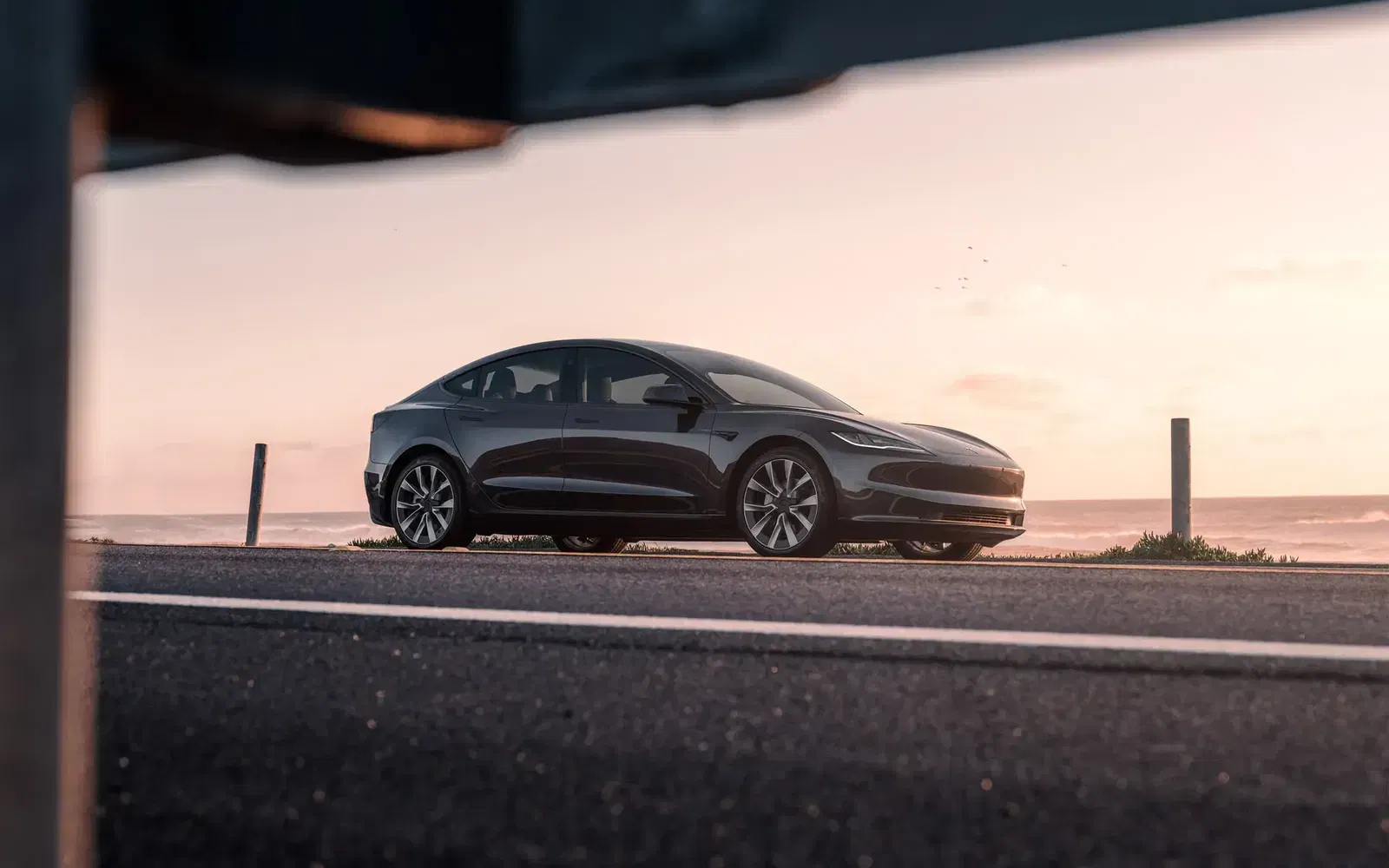
Tesla also performed strongly, accruing over 2.2 million units. Conversely, several legacy manufacturers finished the reporting period in deficit.
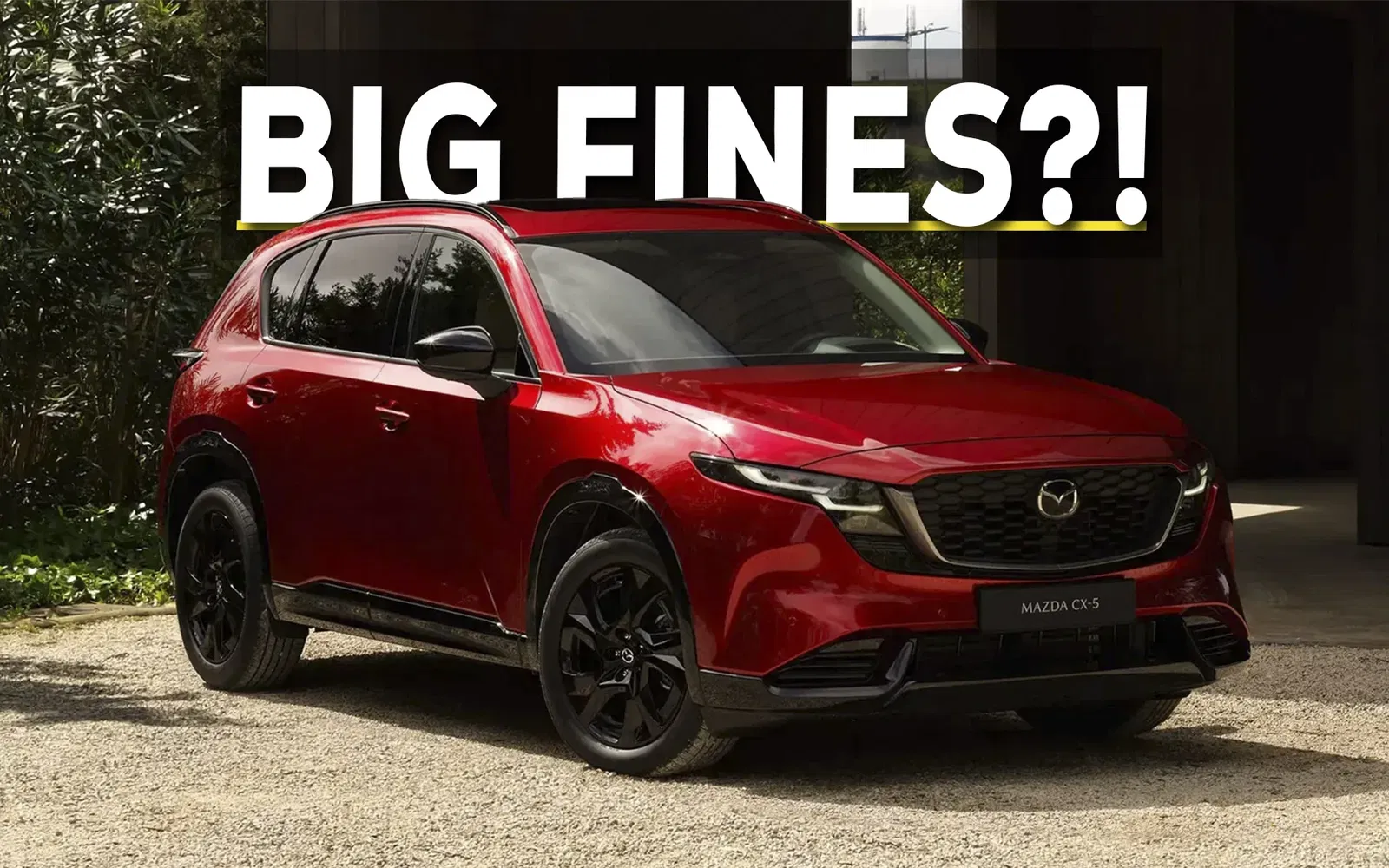
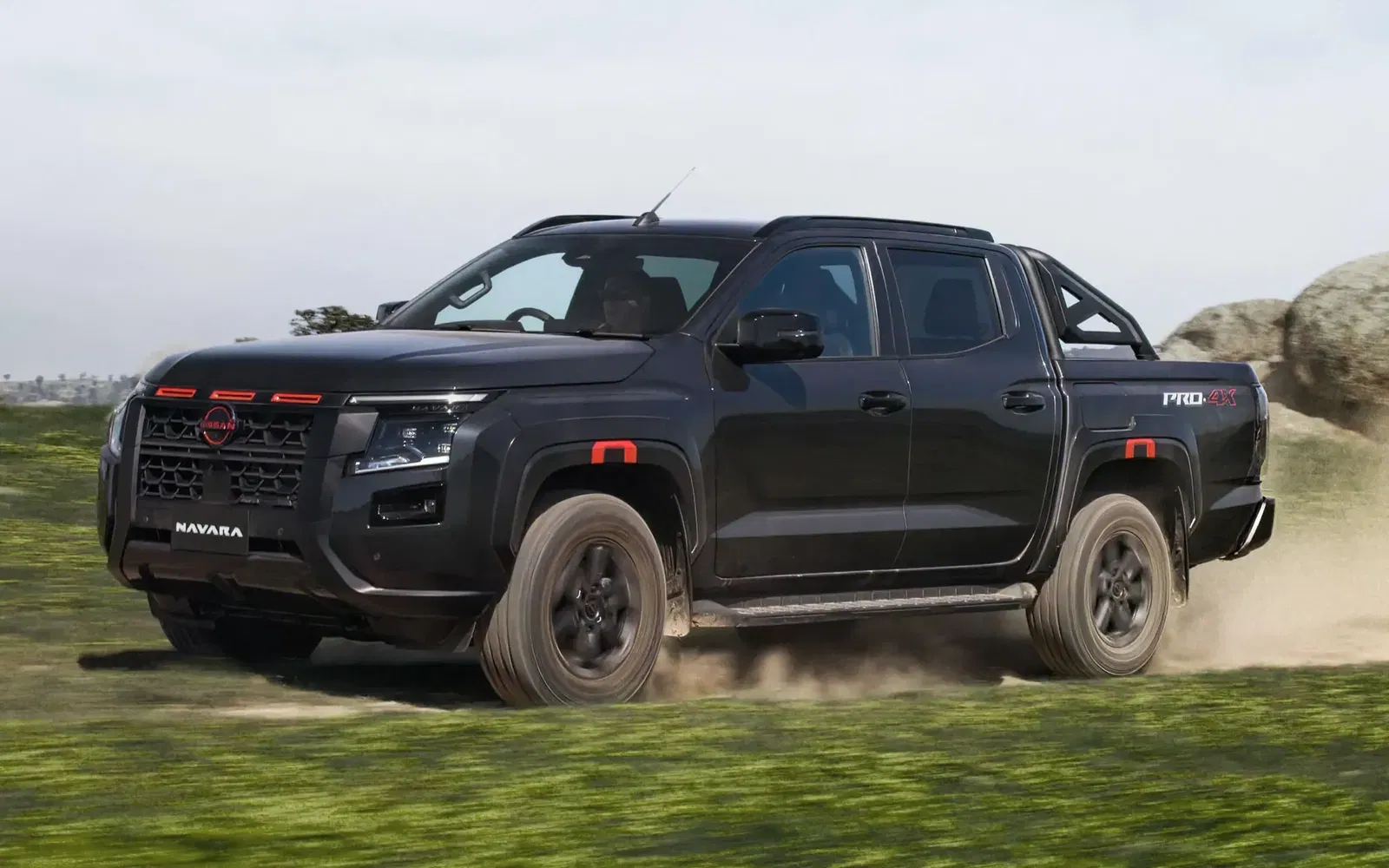
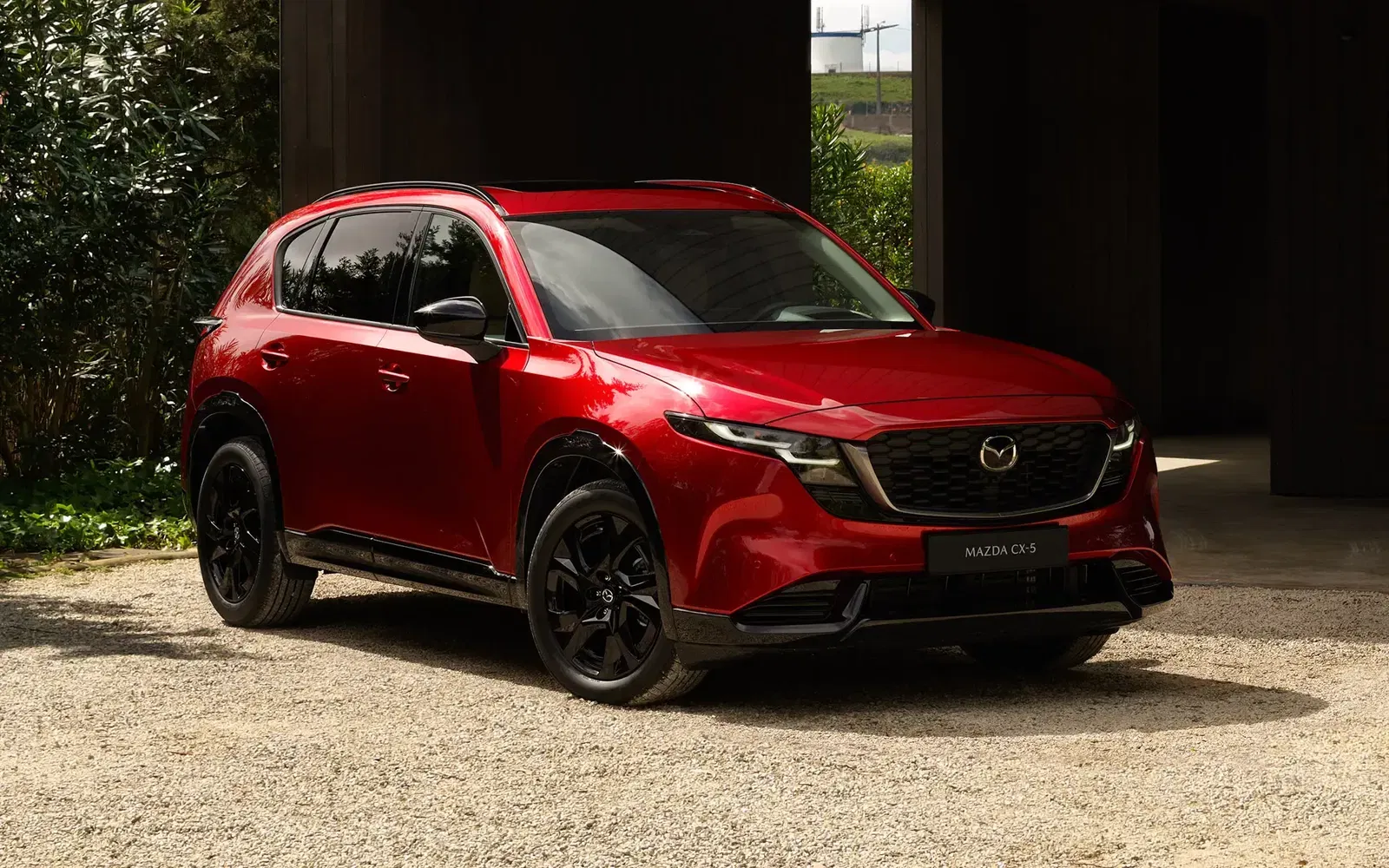
Mazda recorded the highest liability of any entity with over 508,000 deficit units, while Nissan accrued a liability of approximately 215,000 units.
While manufacturers are currently racking up "interim" debts, the actual bill isn't due immediately.
Under the NVES rules, brands have until 31 December 2027 to "extinguish" their 2025 debt by either earning new credits through cleaner car sales or buying surplus units from competitors.
If their balance remains above zero by February 2028, the Regulator will issue an official Final Emissions Value (FEV) and a corresponding infringement notice.
For every unit of debt remaining, manufacturers will be charged $50 AUD.
Using the government’s own example, a manufacturer with a 2,000-unit deficit would be hit with a $100,000 fine.
If this remains unpaid, the Regulator can take legal action where penalties can double to $100 per unit.
2025 NVES Performance
These potential penalties are already being baked into the "sticker price" of new cars. Because manufacturers are businesses that must maintain margins, any expected emissions debt is being passed directly to the consumer.
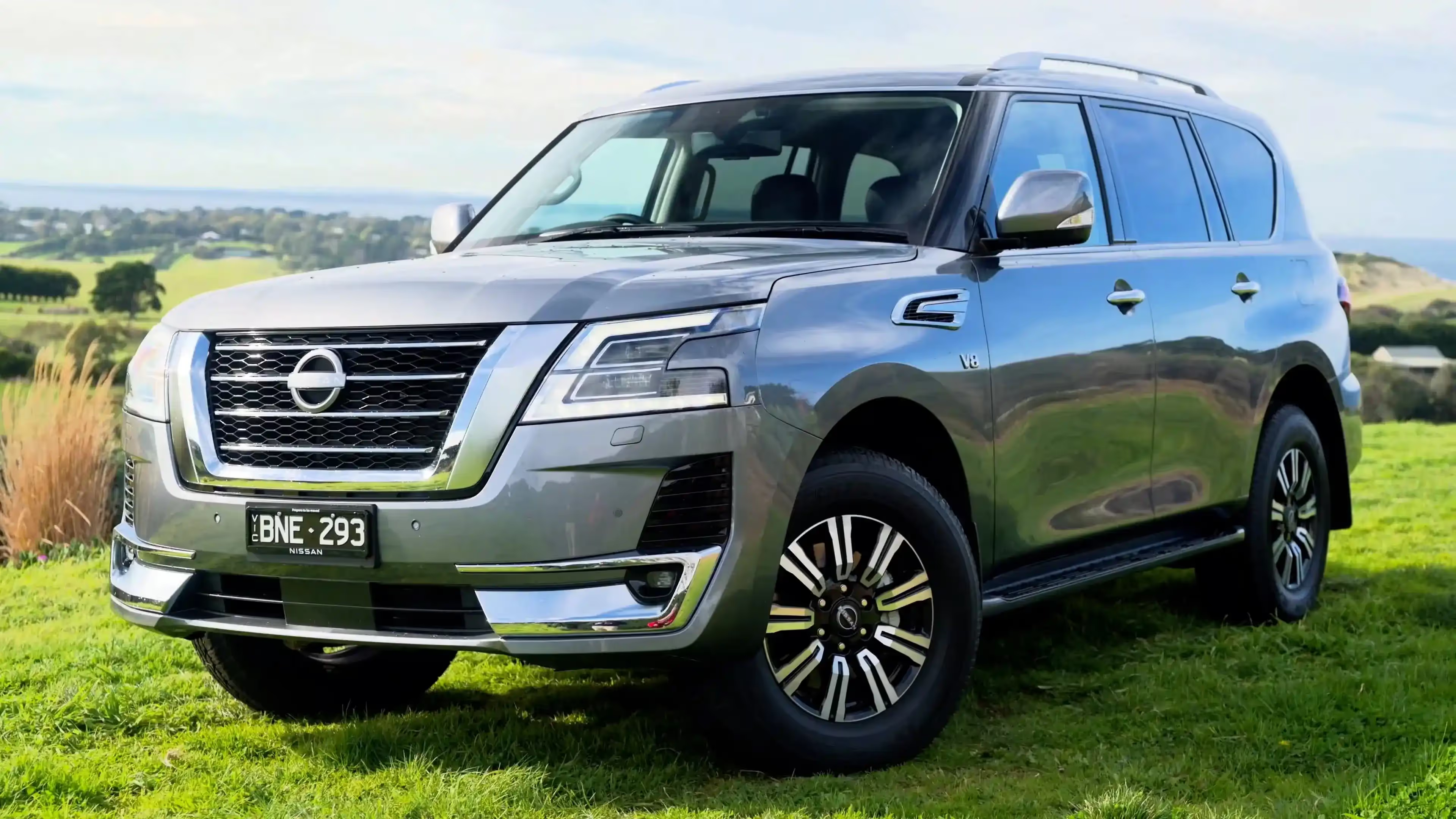
We have already seen this play out with the Y62 Nissan Patrol - which recently copped a $5,000 price hike - with Nissan Australia explicitly citing the introduction of the NVES as a factor behind the increase.
The urgency of this challenge is compounded by the aggressive tightening of emissions targets over the coming years.
The current 2025 headline target for passenger vehicles of 141 grams of CO2 per kilometre is a relatively high baseline.
This target will drop to 117g/km in 2026, before plunging to 58g/km by 2029.
Similarly, the target for Light Commercial Vehicles will tighten from 210g/km today to 110g/km in 2029.
This trajectory creates a compounding problem for brands currently in deficit; they must not only clear their 2025 debt but also meet increasingly stringent targets that will rapidly erode the value of conventional hybrids and non-plug-in technologies.

Market data suggests consumers are already responding to these regulatory shifts.
Despite the Federal Chamber of Automotive Industries (FCAI) characterising demand for electric vehicles as "subdued", VFACTS data for January 2026 indicates a significant pivot toward utility-focused low-emission vehicles.
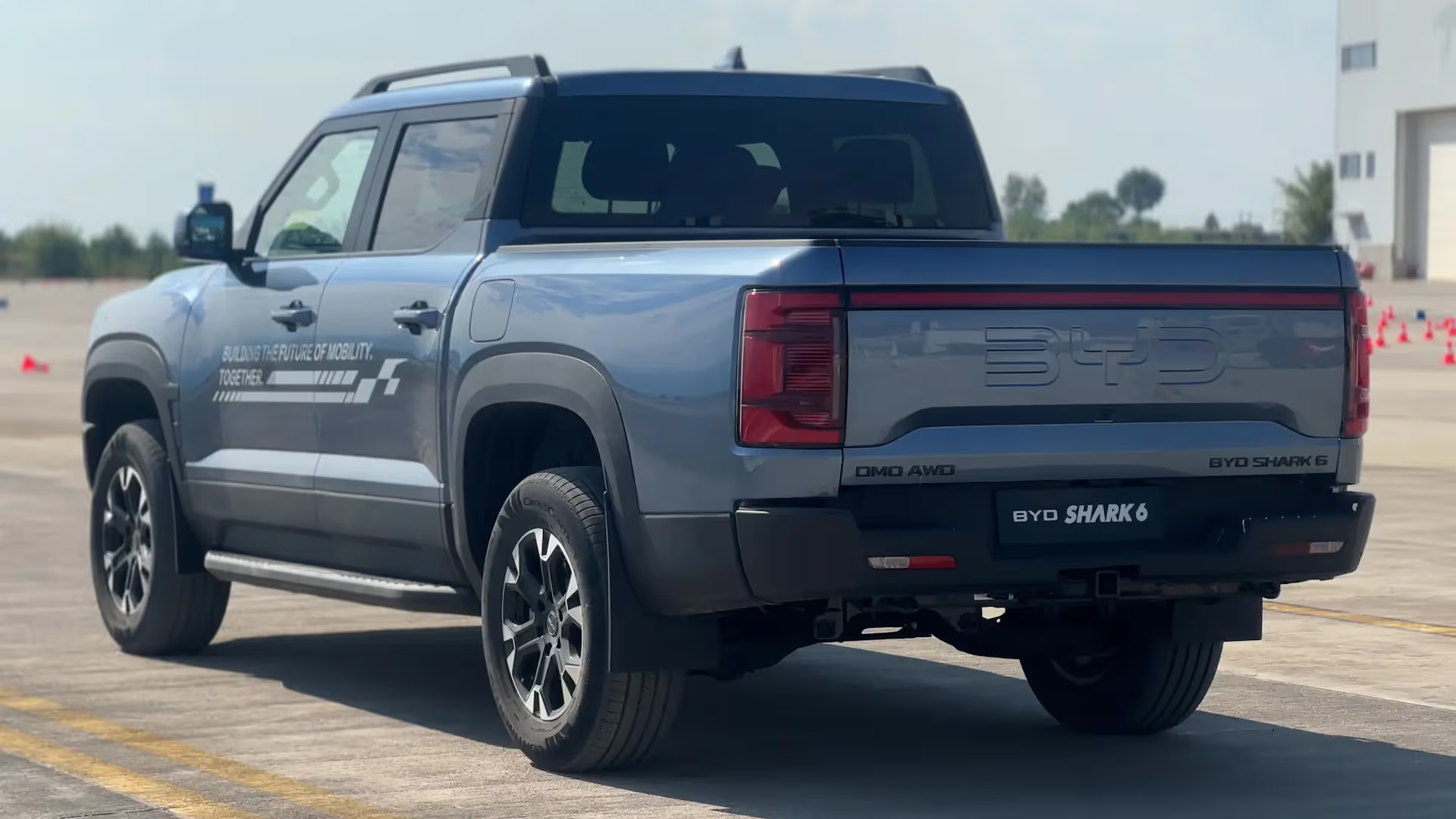
Sales of Plug-in Hybrid Electric Vehicles (PHEVs) surged by 170.5 per cent year-on-year, driven in large part by the launch of the BYD Shark 6, which recorded 1,108 sales in January alone.
The road to 2029 is set to be a transformative - and potentially expensive - period for the Australian automotive industry.
As targets tighten and credits become the new market currency, the era of the "unregulated" gas-guzzler is officially over.
For manufacturers, the choice is now a matter of survival: pivot rapidly to low-emission technology or prepare to pass even larger compliance costs onto their customers.
For Aussie drivers, the shift is already visible on the showroom floor. Whether it's through a "compliance tax" on traditional V8s or a broader range of high-tech hybrids, the price of staying behind the curve is becoming too much for manufacturers to ignore.
FAQ
What exactly is the New Vehicle Efficiency Standard (NVES)?
The NVES is a policy designed to encourage car manufacturers to supply more fuel-efficient and low-emission vehicles to Australia. It sets a "CO₂ target" for a manufacturer's entire fleet. If they sell a lot of heavy, high-emission vehicles, they must balance them out by selling low or zero-emission vehicles (like EVs or hybrids) to avoid penalties.
Why are car prices going up now if the fines aren't due until 2028?
While the government won't collect fines until February 2028, manufacturers are already "banking" their emissions debt. To protect their future profit margins and cover the cost of potential $50-per-gram penalties or the cost of buying credits from rivals, some brands—like Nissan—have already begun adjusting "sticker prices" on high-emission models today.
How is the $50 penalty actually calculated?
If a manufacturer remains in deficit by the 2028 deadline, they are issued a Final Emissions Value (FEV). The penalty is calculated by multiplying that FEV (the total grams of CO₂ their fleet is over the target) by $50 AUD. While $50 sounds small, it is applied across every gram over the limit for the entire fleet, which can quickly total millions of dollars for popular brands.
Can brands currently in "emissions debt" avoid paying the fines?
Yes. Manufacturers in deficit for the 2025 period have until 31 December 2027 to balance their books. They can do this in two ways: The "Carry Back" Method: Selling significantly more low-emission vehicles in 2026 and 2027 to offset their 2025 debt. Credit Trading: Buying "surplus units" from clean energy leaders like Tesla or BYD.
Will my favourite 4WD or Ute be banned under these rules?
No. The NVES does not ban any specific vehicle type. However, it does make high-emission vehicles more expensive for the manufacturer to sell. This means you’ll still be able to buy a V8 or a heavy diesel Ute, but you may pay a higher "compliance cost," and you'll likely see manufacturers introducing hybrid or electric versions of those same models to lower their fleet average.
How much tougher will the targets get in the future?
The targets tighten significantly every year. For example, passenger cars have a target of 141g/km in 2025, but this plunges to just 58g/km by 2029. This aggressive "glide path" is designed to catch Australia up to the standards already in place in Europe and the United States.

Other
News
Other car news
.webp)
2026 Mitsubishi Triton Brings Suspension Updates, New Tech, And Higher Pricing


Toyota’s First-Ever Electric HiLux Arrives In Australia From $74,990

GAC Confirms 2027 Launch Of Dual-Cab Ute for Australia in Aggressive "Top 10" Product Blitz

Sign up to our newsletter
Be the first to know when we drop new car reviews.