.avif)
Tell Google to prioritise real experts.

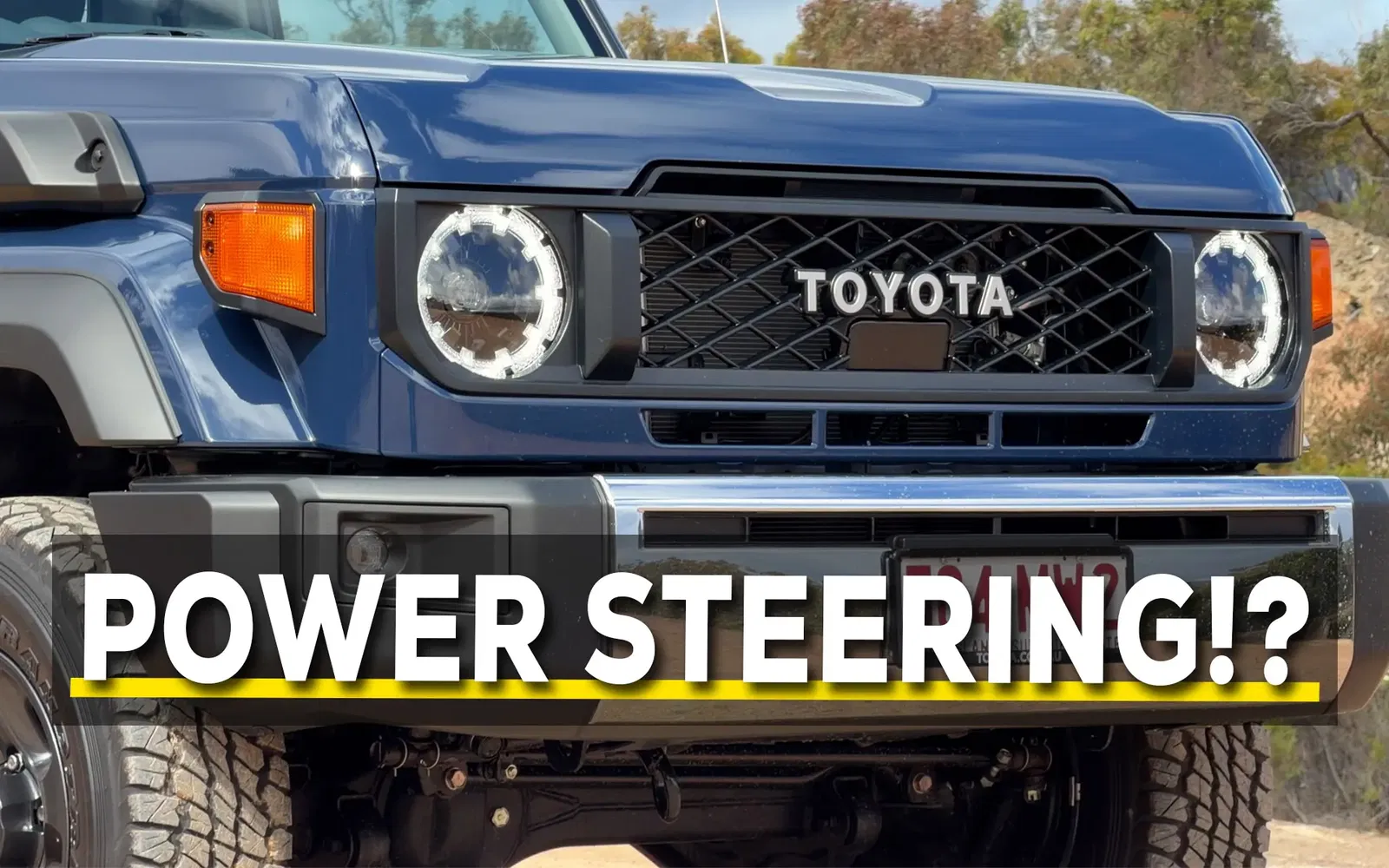
Toyota Australia sales boss Sean Hanley has admitted he wants to see Electronic Power Steering (EPS) introduced to the LandCruiser 70 Series, despite the rusted-on traditionalism of the ute's fanbase.
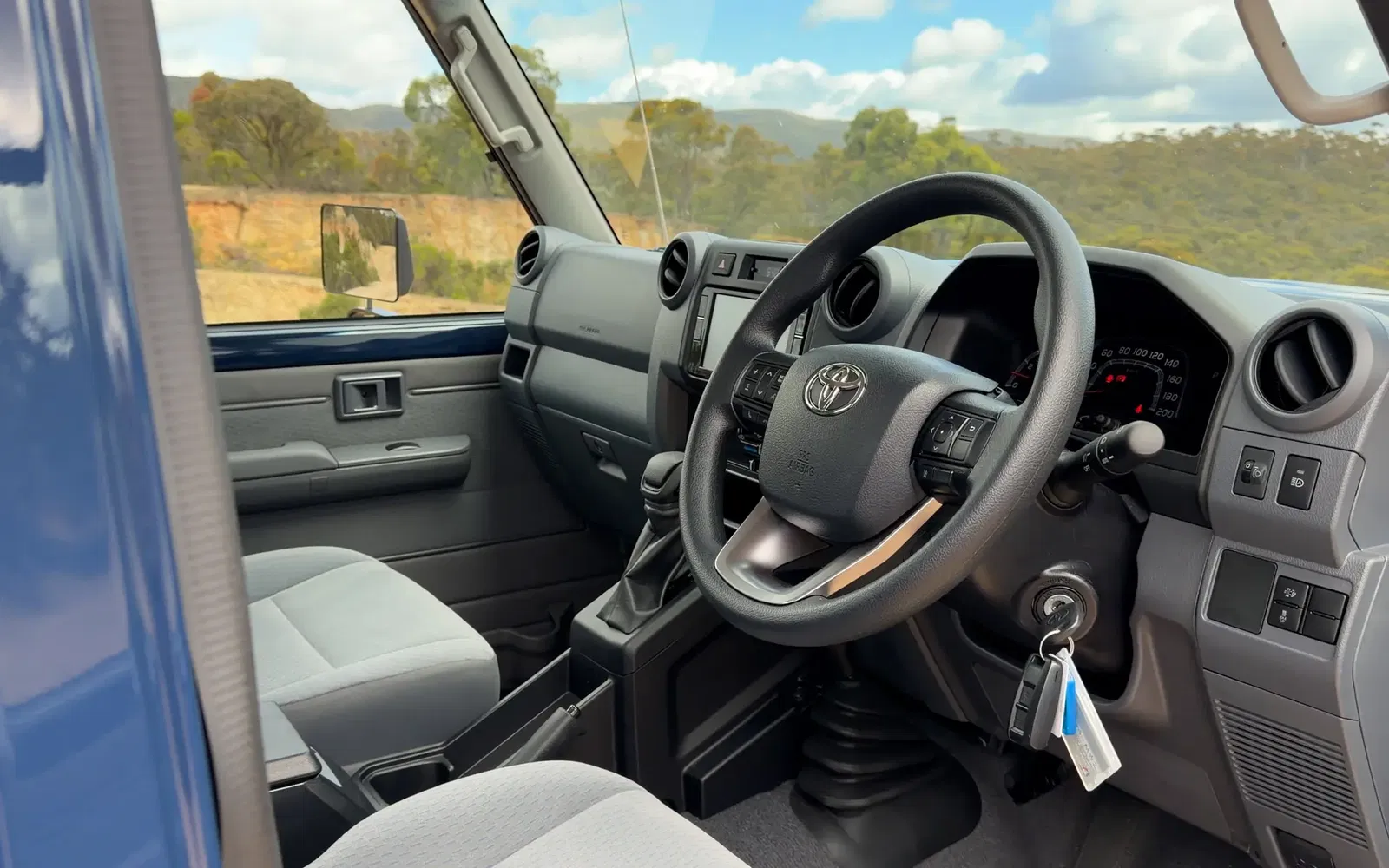
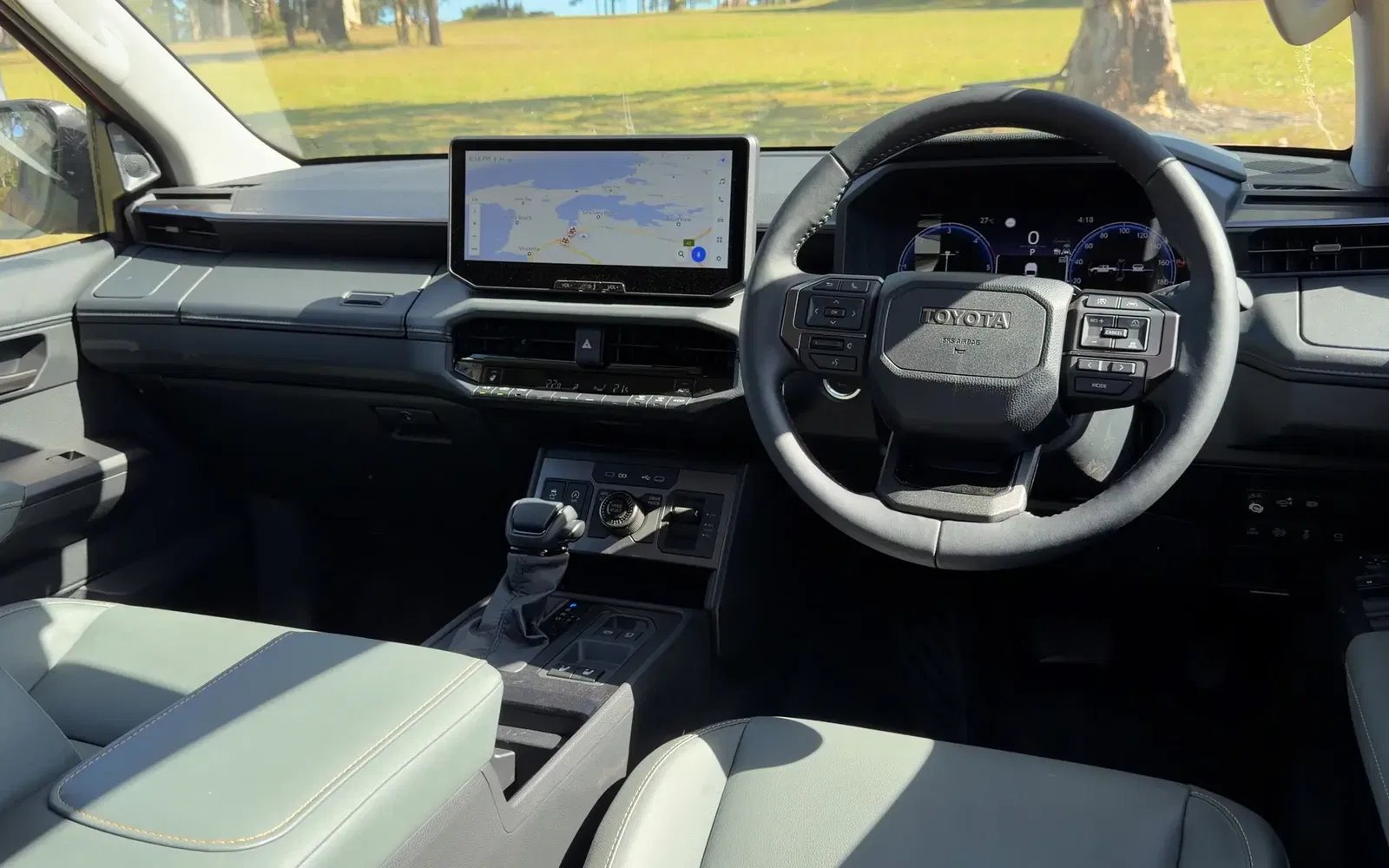
While the 70 Series has retained its hydraulic power steering setup for decades — a key part of its heavy-duty appeal — Hanley revealed in a recent interview that he is a personal fan of the lighter electronic system found in the new 9th-generation HiLux and believes the workhorse range would benefit from it.
"I love the electronic power steering," Hanley said. "I think it probably is something we should look at."
However, the Toyota executive conceded that dragging the 40-year-old platform into the modern era is a delicate balancing act.
He acknowledged that the 70 Series customer base is notoriously skeptical of "fancy" new tech that adds complexity to the vehicle.
"They get a bit toe-y when you start getting fancy," Hanley said regarding the customers' attitudes toward modernisation. "You gotta be careful."
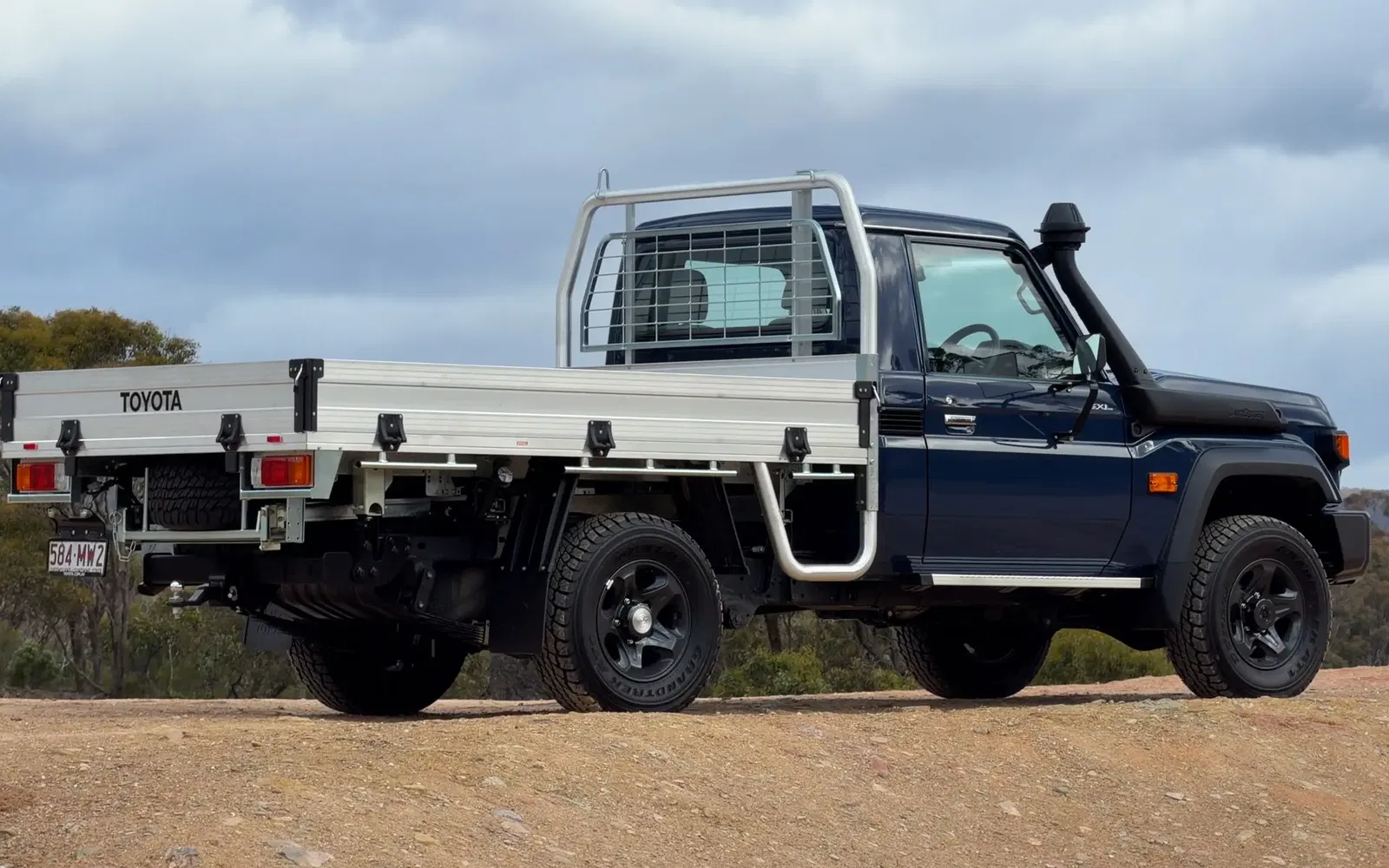
Hanley noted that for many owners, the heavy, mechanical feedback of the current model is actually a selling point, rather than a drawback.
"That car is what it is because they love the simplicity of it," he said.
"The feel of the wheel on that car... the feel of the wheel seals the deal."

While there is no official confirmation of an update just yet, Hanley’s comments suggest the door is open for EPS to eventually replace the hydraulic system, provided it can pass the scrutiny of Australia's most demanding ute buyers.
FAQ
Why would Toyota want to put electric steering in a heavy-duty vehicle like the LandCruiser 70 Series?
While hydraulic steering is beloved for its toughness, Electronic Power Steering (EPS) offers two massive advantages that Toyota is finding hard to ignore: fuel efficiency and safety tech integration. Fuel Economy: Hydraulic systems use a pump physically driven by the engine, which creates "parasitic loss"—it constantly draws power and burns fuel even when you aren't turning the wheel. EPS only draws power when needed, reducing fuel consumption. Modern Safety: Advanced safety features like Lane Keep Assist and automated parking require the car's computer to make micro-adjustments to the steering. This is significantly easier and more precise to do with an electric motor than with a hydraulic system.
What is the difference between the current 70 Series steering and the "electric" steering in a HiLux?
The current LandCruiser 70 Series uses a recirculating ball hydraulic steering box. This is an old-school, heavy-duty design known for being incredibly robust and resistant to damage from impacts (like hitting rocks or washouts). In contrast, most modern utes (like the HiLux) use a rack-and-pinion system. If Toyota moves to EPS, they would need to integrate an electric motor either onto the steering column or the rack itself. The fear for many owners is that adding electronic motors, sensors, and fuses introduces more "points of failure" in the bush compared to a purely mechanical hydraulic pump.
Is the LandCruiser 70 Series the only heavy 4x4 without electric steering?
It is becoming increasingly rare. Most modern large American pick-ups (like the RAM 1500 and Ford F-150) have successfully switched to Electronic Power Steering to enable safety features and improve highway driving comfort. However, the 70 Series is unique because it is often used in far more remote, harsh environments (like deep underground mines or cattle stations) than the typical lifestyle pick-up, which is why Toyota is so cautious about making the switch.

Other
Toyota
News
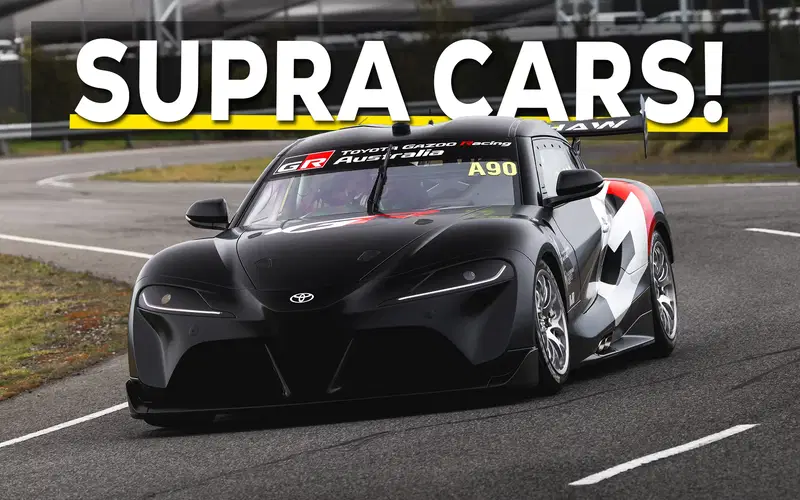
Toyota GR Supra Supercars Debut: Historic 2026 Season Kicks Off in Sydney

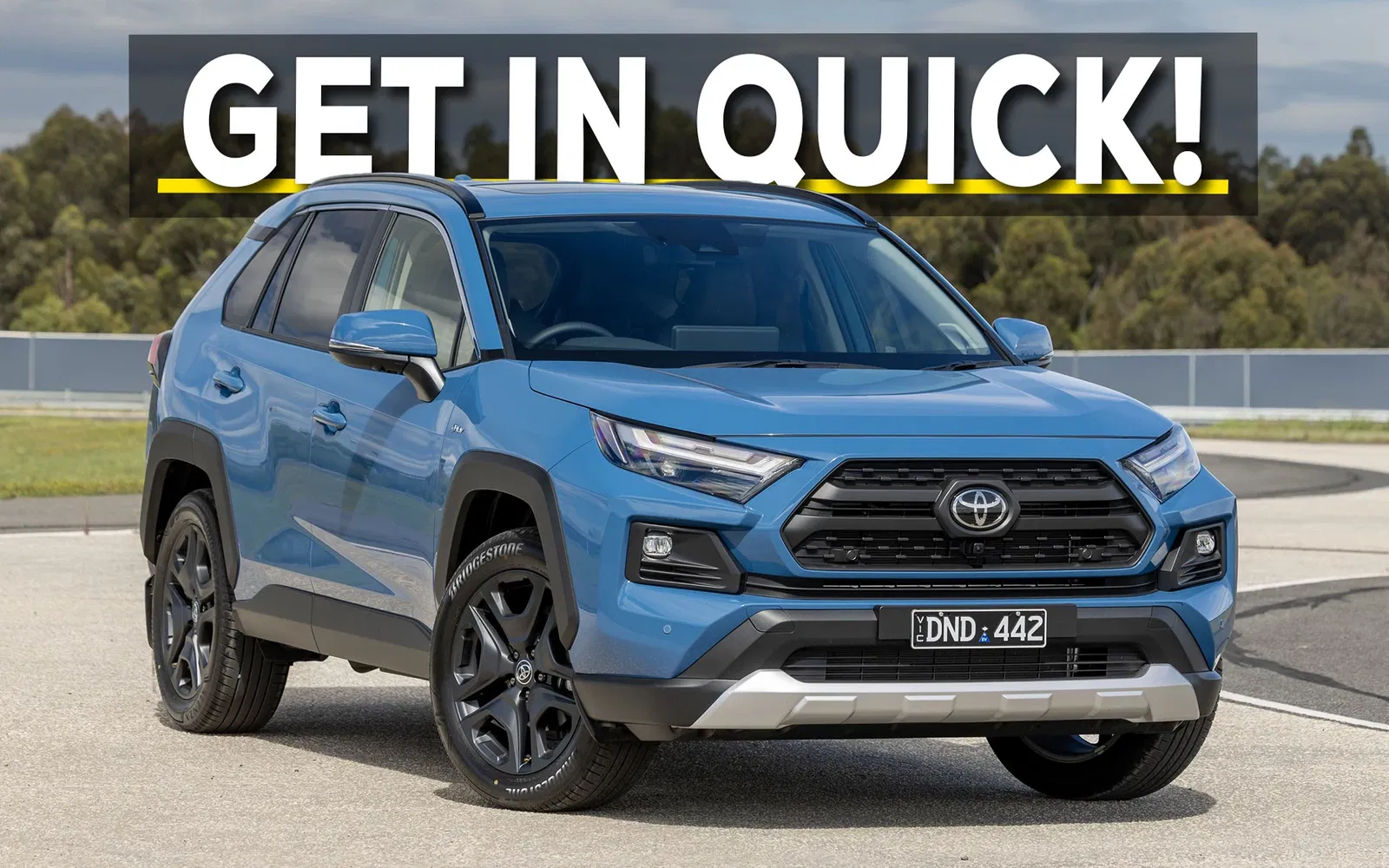
Toyota RAV4 Sales Slide As Stock Dwindles

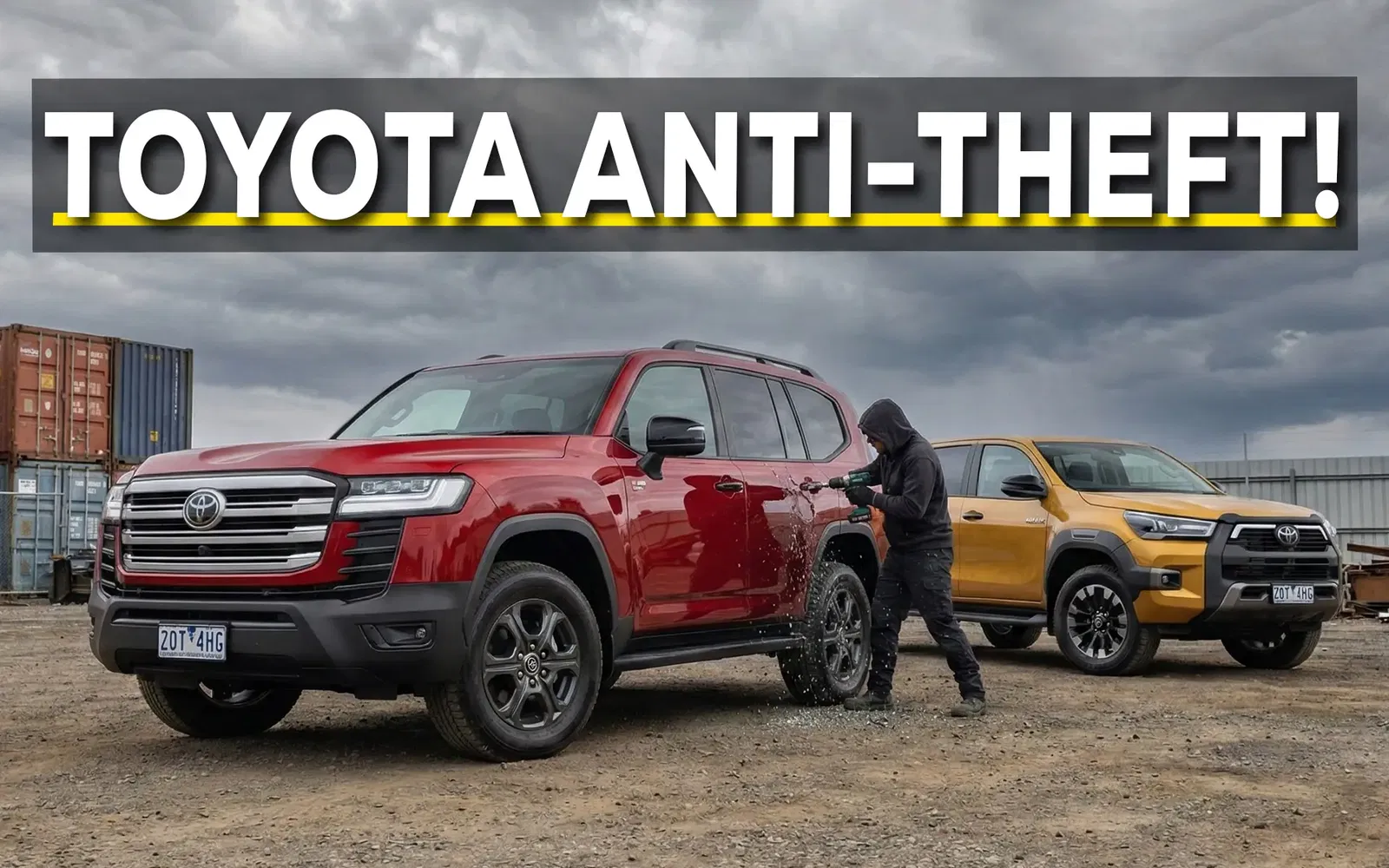
Toyota Australia Announces Anti-Theft Upgrades for HiLux, LandCruiser and Prado
Other car news
.webp)
2026 Mitsubishi Triton Brings Suspension Updates, New Tech, And Higher Pricing

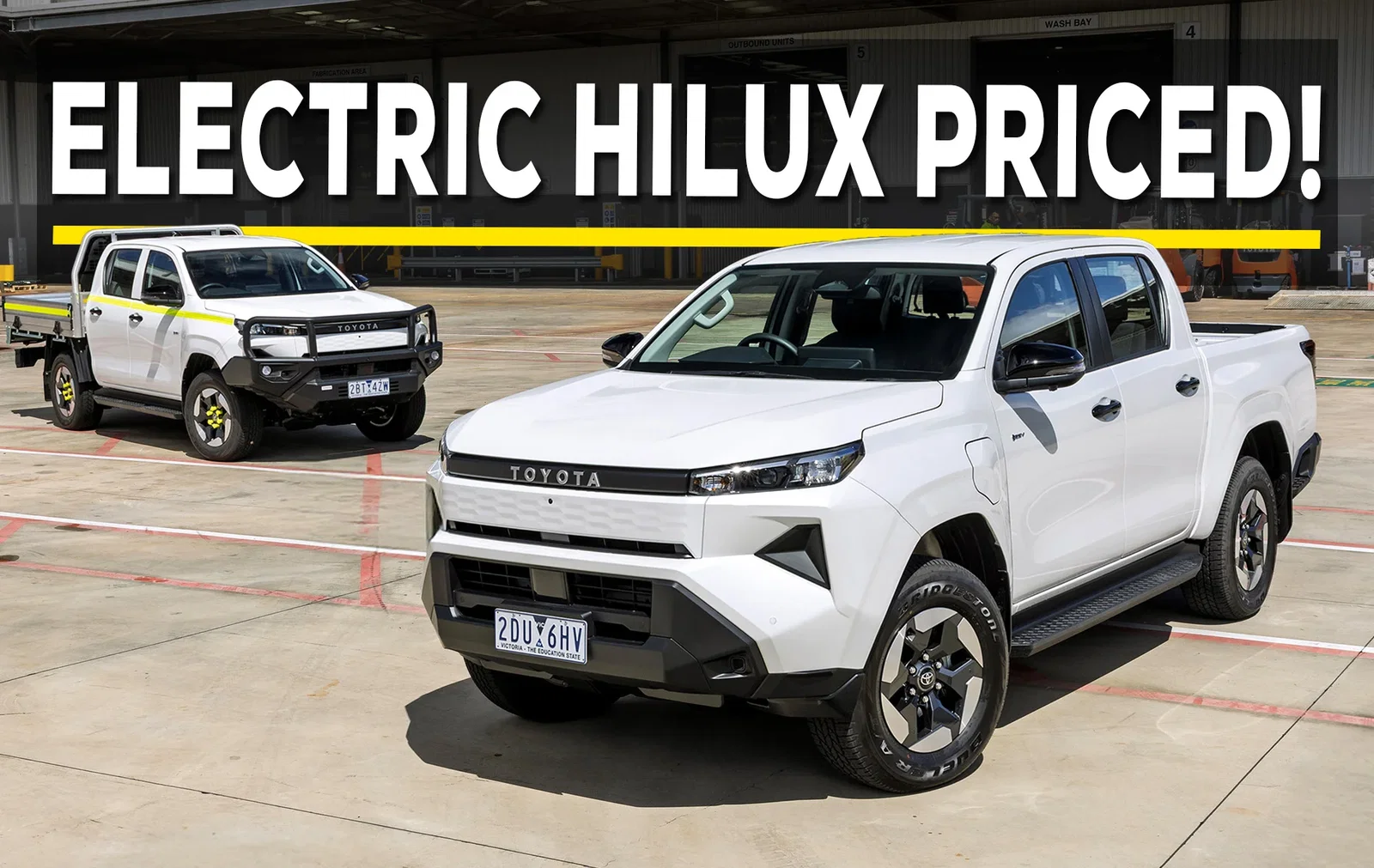
Toyota’s First-Ever Electric HiLux Arrives In Australia From $74,990
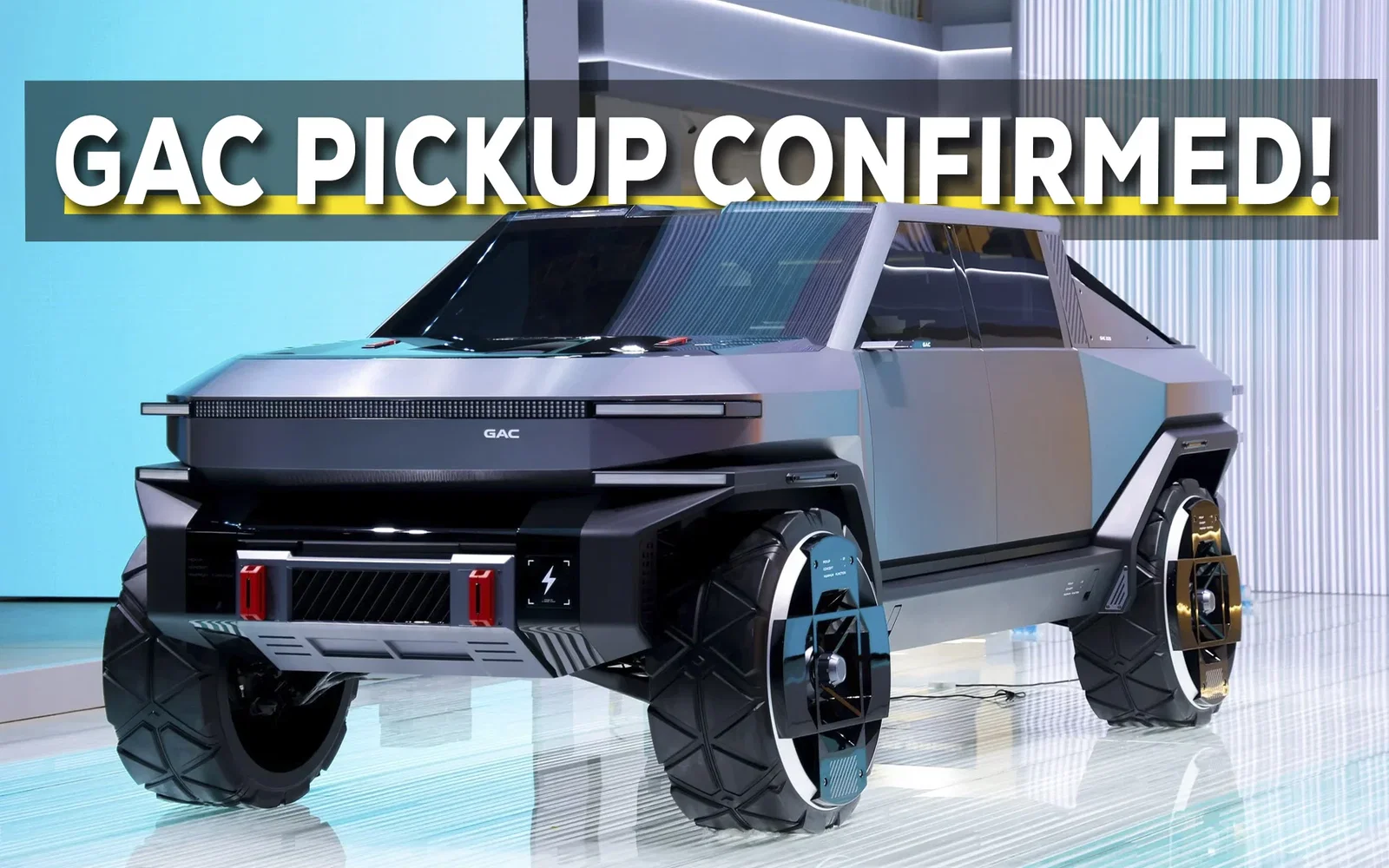
GAC Confirms 2027 Launch Of Dual-Cab Ute for Australia in Aggressive "Top 10" Product Blitz
Sign up to our newsletter
Be the first to know when we drop new car reviews.