.avif)
Tell Google to prioritise real experts.

The Federal Chamber of Automotive Industries (FCAI) has responded to the signing of the Australia–European Union Free Trade Agreement.
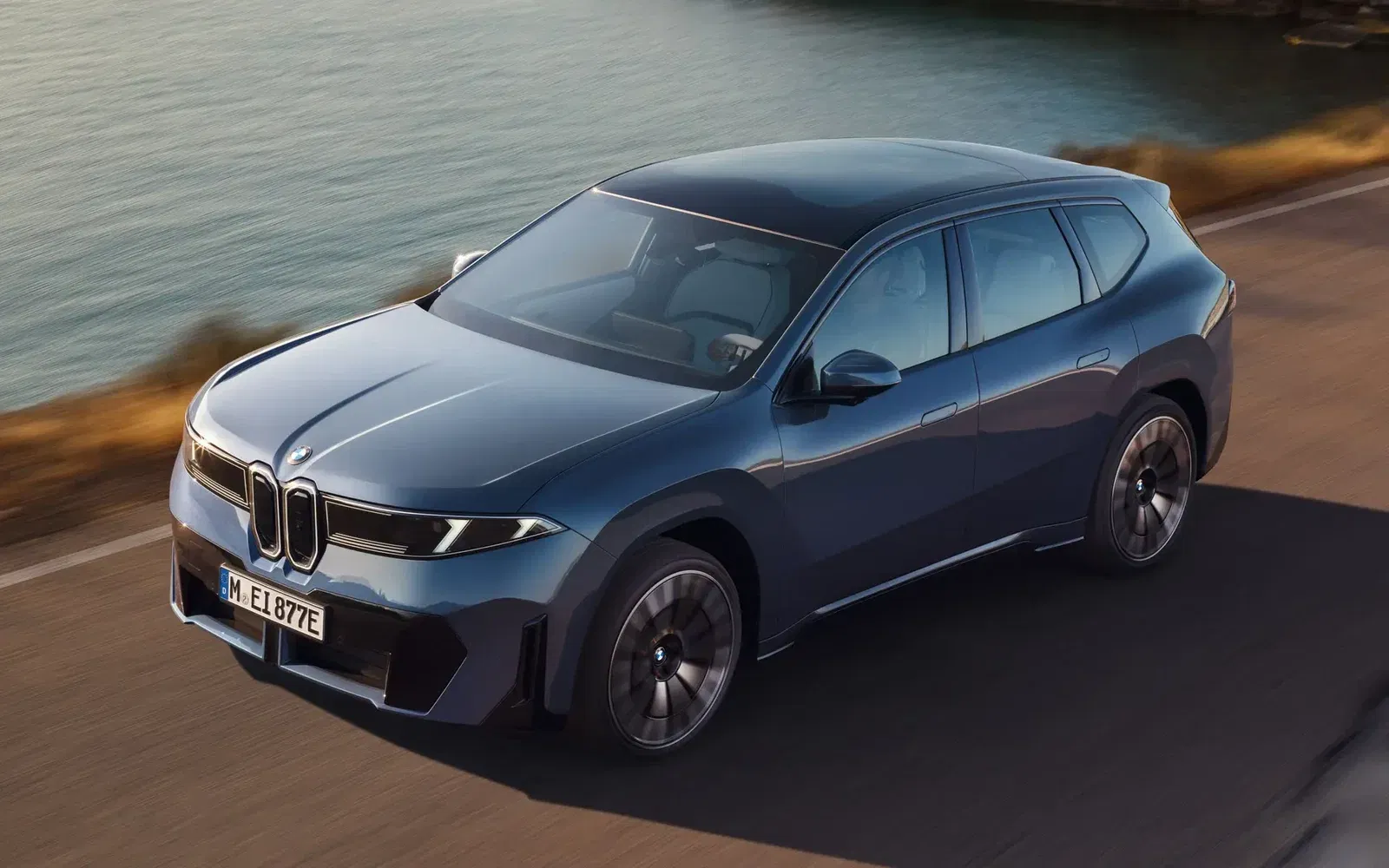
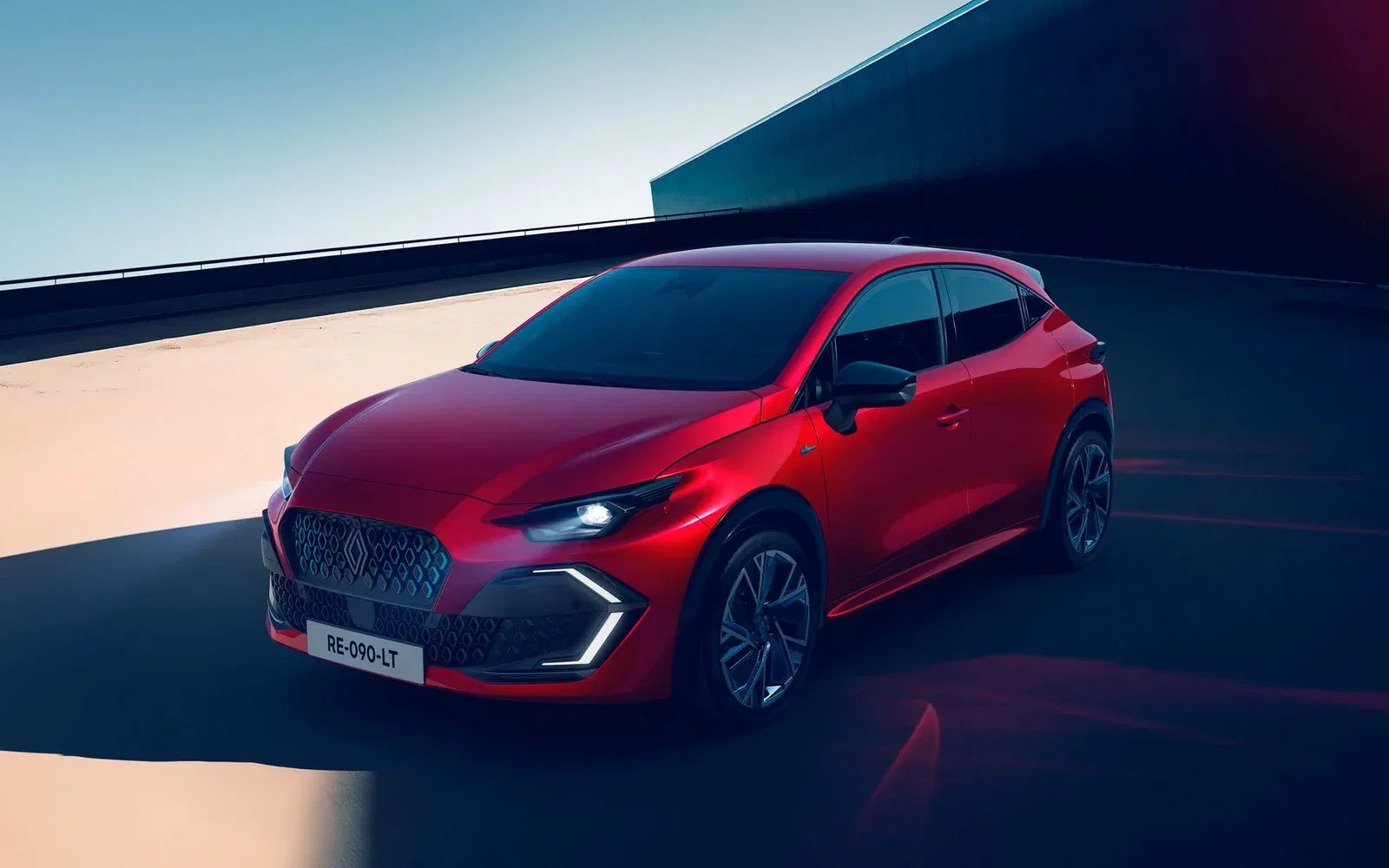
The agreement will remove the five per cent import tariff on vehicles entering Australia from Europe.
It also includes changes to the Luxury Car Tax (LCT), including an increase to the threshold for zero-emission vehicles.
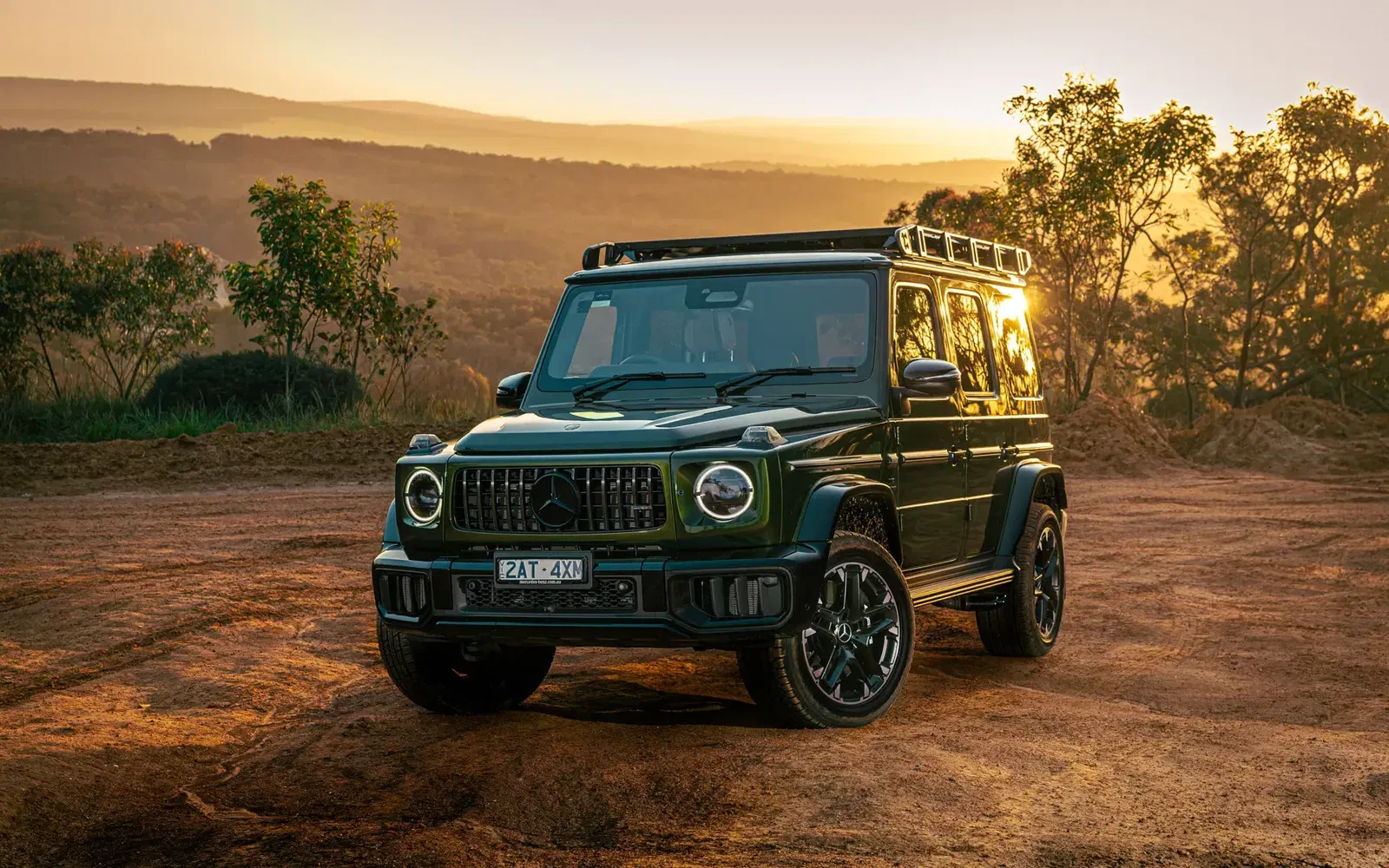
The Federal Government has confirmed the LCT threshold for zero-emission vehicles will rise to $120,000.
According to the government’s summary of the agreement, the changes form part of a broader trade deal covering goods, services and investment between Australia and the European Union.
The European Union represents a market of around 450 million consumers and is the world’s second-largest economy.
Once in force, 97.8 per cent of Australia’s goods exports are expected to enter the EU duty-free.
Government modelling suggests the agreement could increase Australia’s real GDP by up to $7.8 billion by 2030.
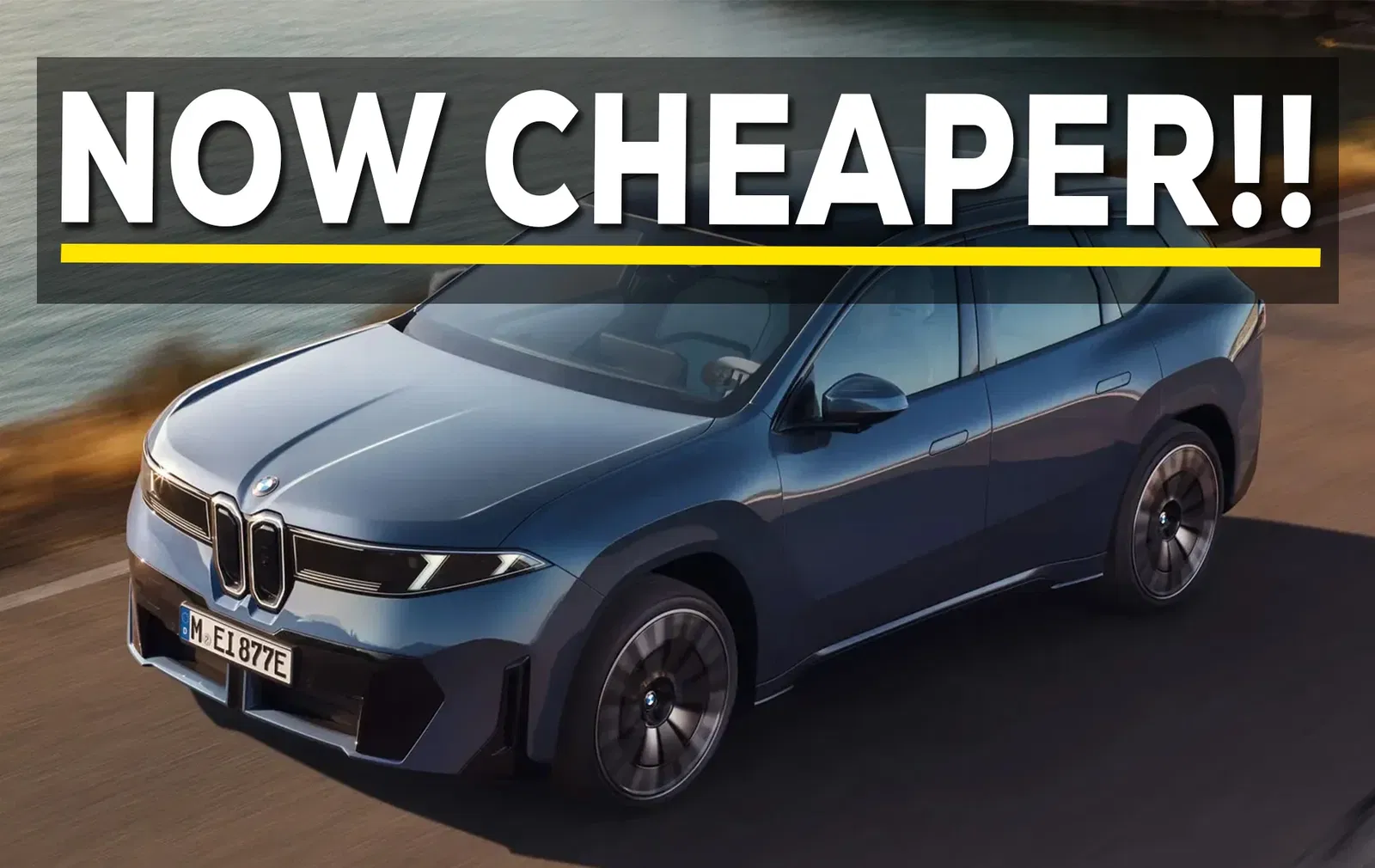
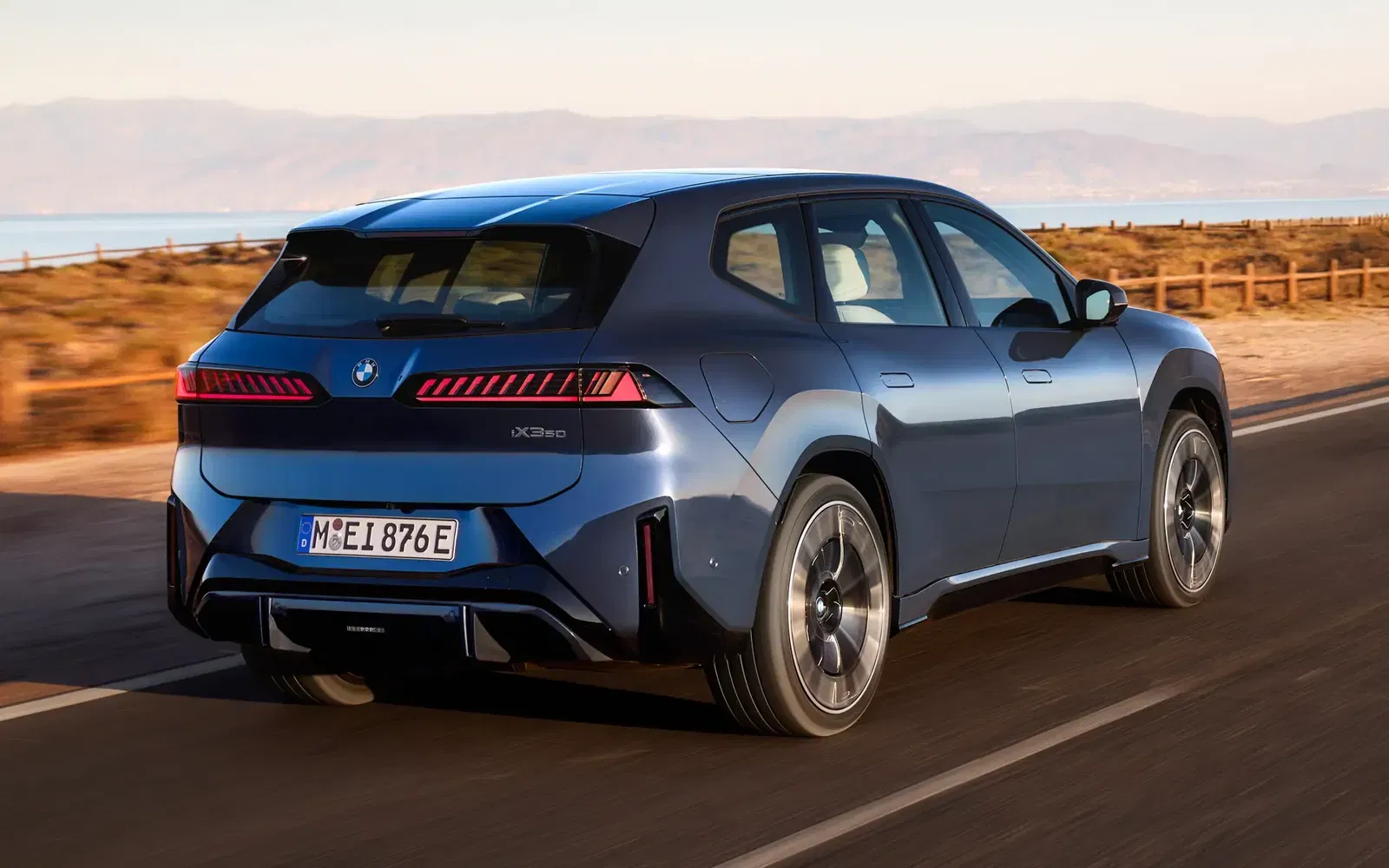
The FCAI said the removal of the vehicle import tariff would affect pricing for European-sourced vehicles in Australia.
“The removal of the tariff is a positive outcome for Australian consumers and brings European vehicles in line with those imported from other major markets such as China, Japan, Korea and Thailand,” FCAI chief executive Tony Weber said.
The government document also states that tariff reductions will apply across a range of manufactured goods, including machinery, electrical goods and automotive components.
%20.webp)
Lower tariffs on these goods are expected to reduce input costs for Australian businesses and improve access to European products.
The agreement also includes provisions aimed at increasing investment flows between Australia and the EU.
Australian businesses are expected to gain improved access to EU government procurement markets, which are estimated to be worth more than $845 billion annually.
The FCAI also commented on the changes to the Luxury Car Tax.
“The change to the Luxury Car Tax is incremental and leaves in place an outdated measure that no longer reflects the structure of the Australian automotive market,” Mr Weber said.
“Luxury car taxes were first introduced in Australia nearly 40 years ago to protect a domestic manufacturing industry which no longer exists. It serves no clear purpose other than raising revenue and continues to impose unnecessary costs on consumers.”
Under current settings, the Luxury Car Tax applies a 33 per cent tax to the value of a vehicle above a set threshold.
For the 2025–26 financial year, the threshold is $80,567, or $91,387 for fuel-efficient vehicles.
A vehicle priced at $100,000 may attract approximately $7,000 in LCT.
Mr Weber said the tax may influence the uptake of vehicles equipped with advanced safety and low-emissions technologies.
FAQ
What changes under the Australia–EU Free Trade Agreement?
The agreement removes the 5% import tariff on vehicles from Europe and introduces changes to the Luxury Car Tax for EVs.
Will European cars become cheaper in Australia?
The removal of the tariff may reduce costs for importers, which could flow through to lower prices for consumers.
What is changing with the Luxury Car Tax (LCT)?
The LCT threshold for zero-emission vehicles will increase to $120,000 under the new agreement.
When will these changes take effect?
The changes will apply once the agreement formally enters into force, though an exact date has not been specified.
Does the agreement affect other automotive products?
Yes, tariffs on auto parts and other manufactured goods from the EU will also be eliminated.
What broader impacts could the agreement have?
The deal is expected to increase trade, investment, and economic activity between Australia and the European Union.

Other
News
Other car news
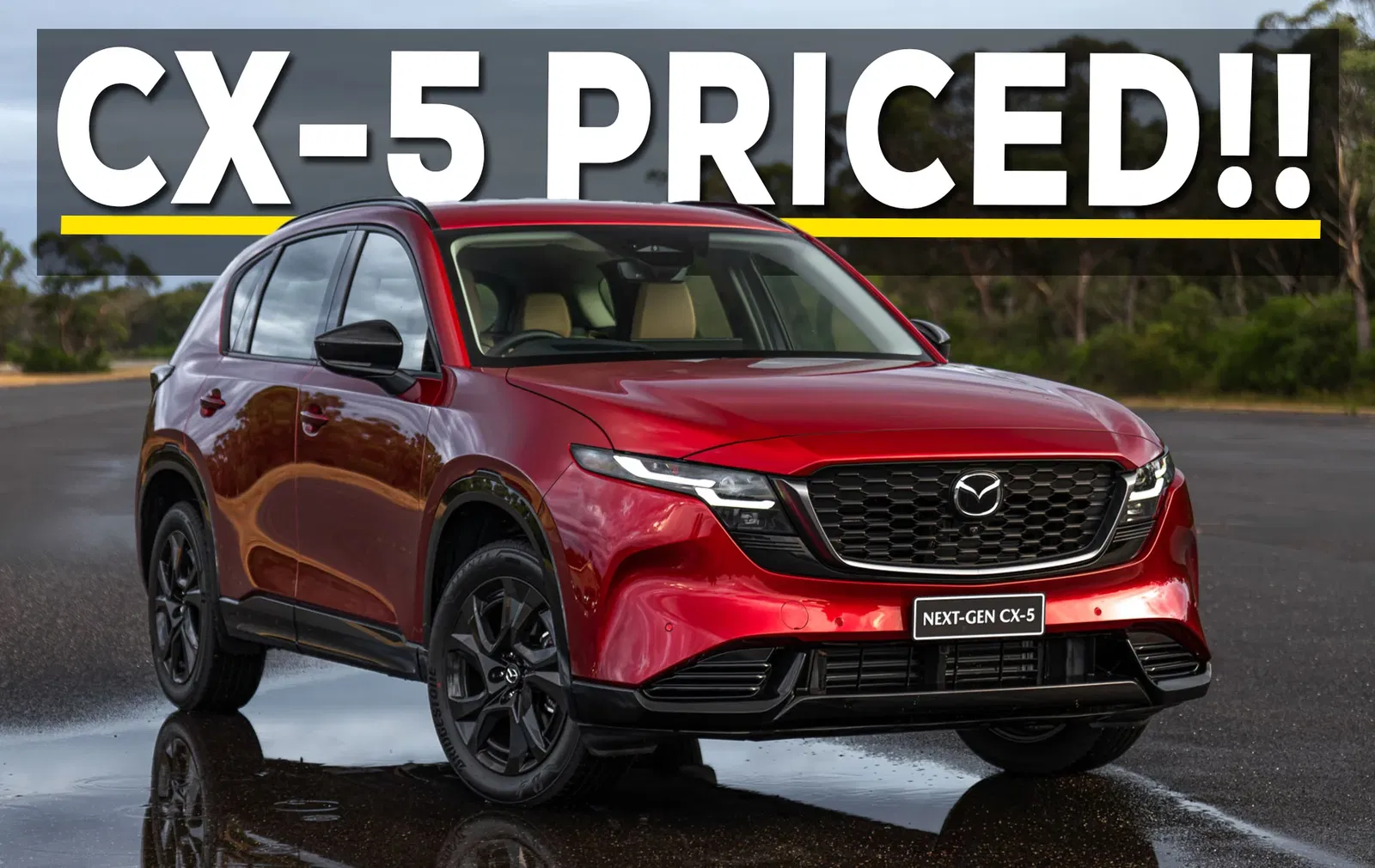
2026 Mazda CX-5 Pricing and Specs revealed for Australia Ahead of Mid-Year Arrival

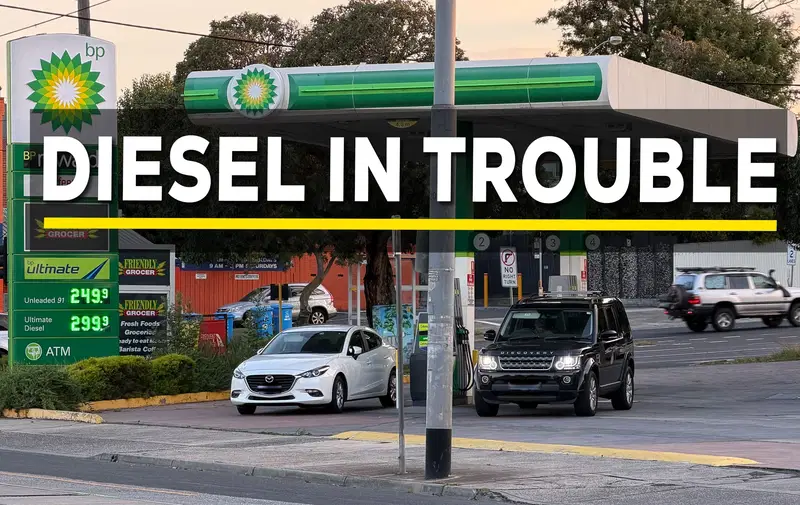
Aussies Are Ditching Diesel For EVs As Fuel Prices Spike Over 50%
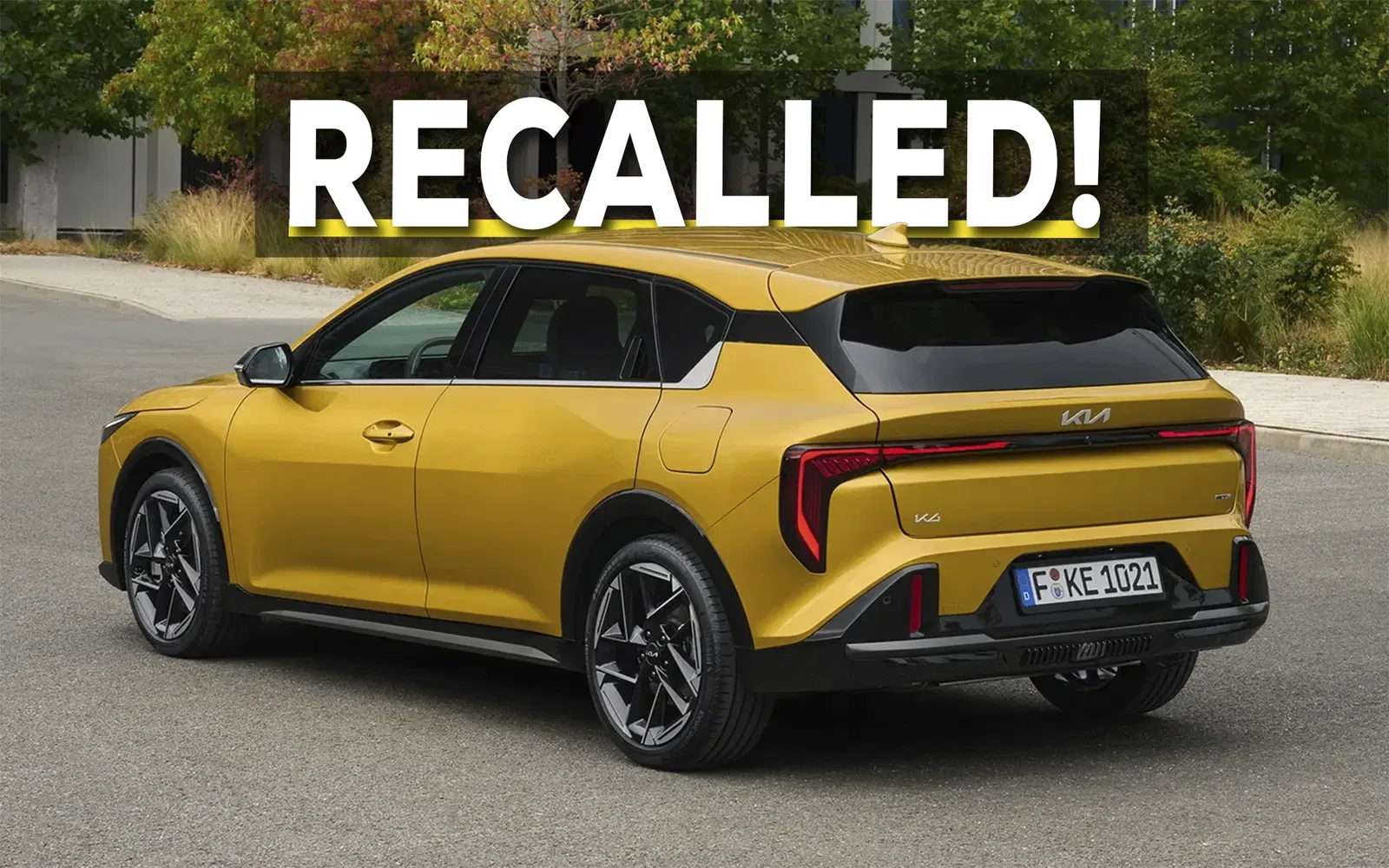
Kia K4 Hatch Recalled Over Seat Belt Defect

Sign up to our newsletter
Be the first to know when we drop new car reviews.