.avif)
Tell Google to prioritise real experts.

Diesel’s long-held position as a default choice for Australian car buyers appears to be weakening rapidly, according to new enquiry data from car buying platform CarSauce Buy.
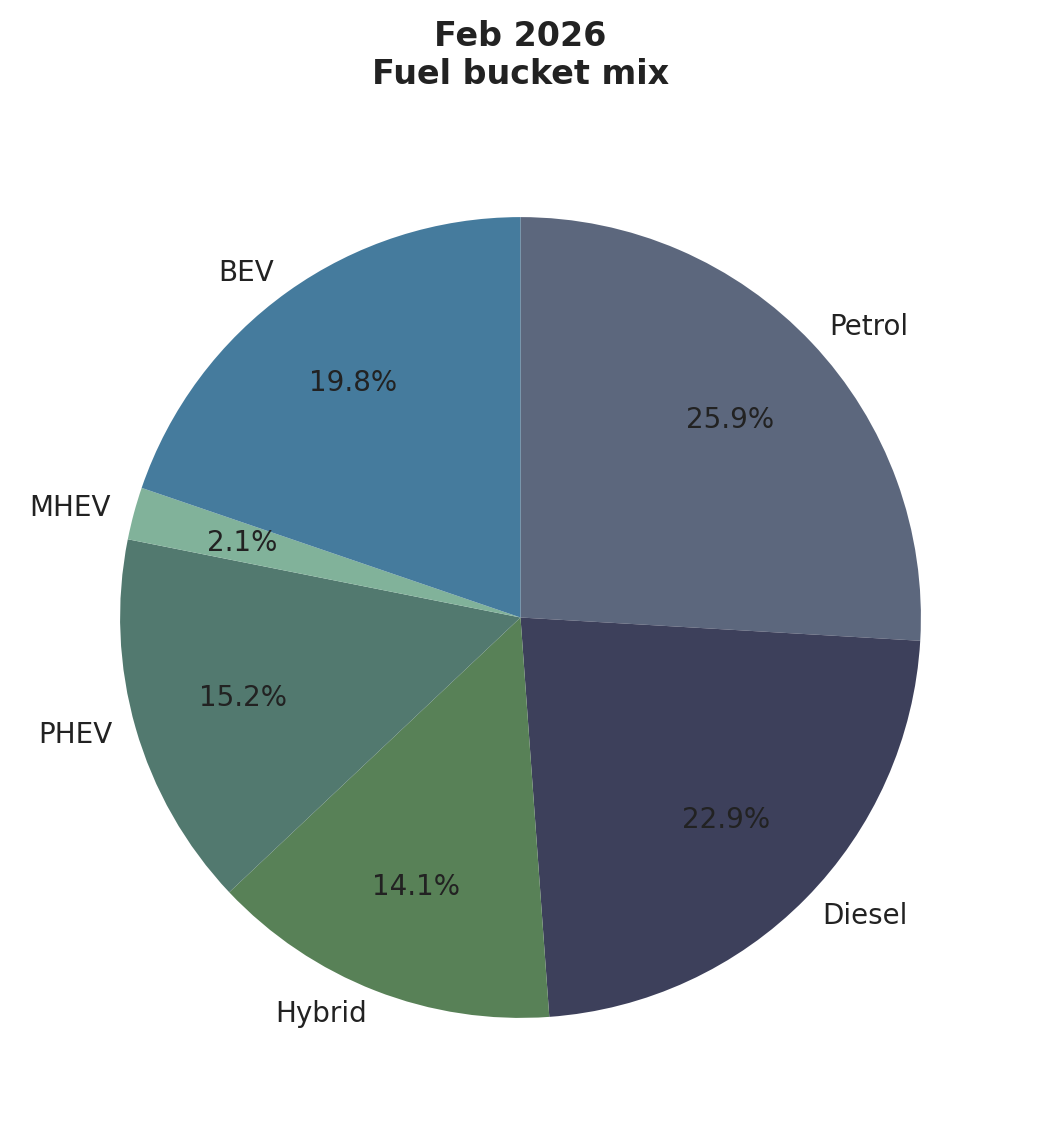
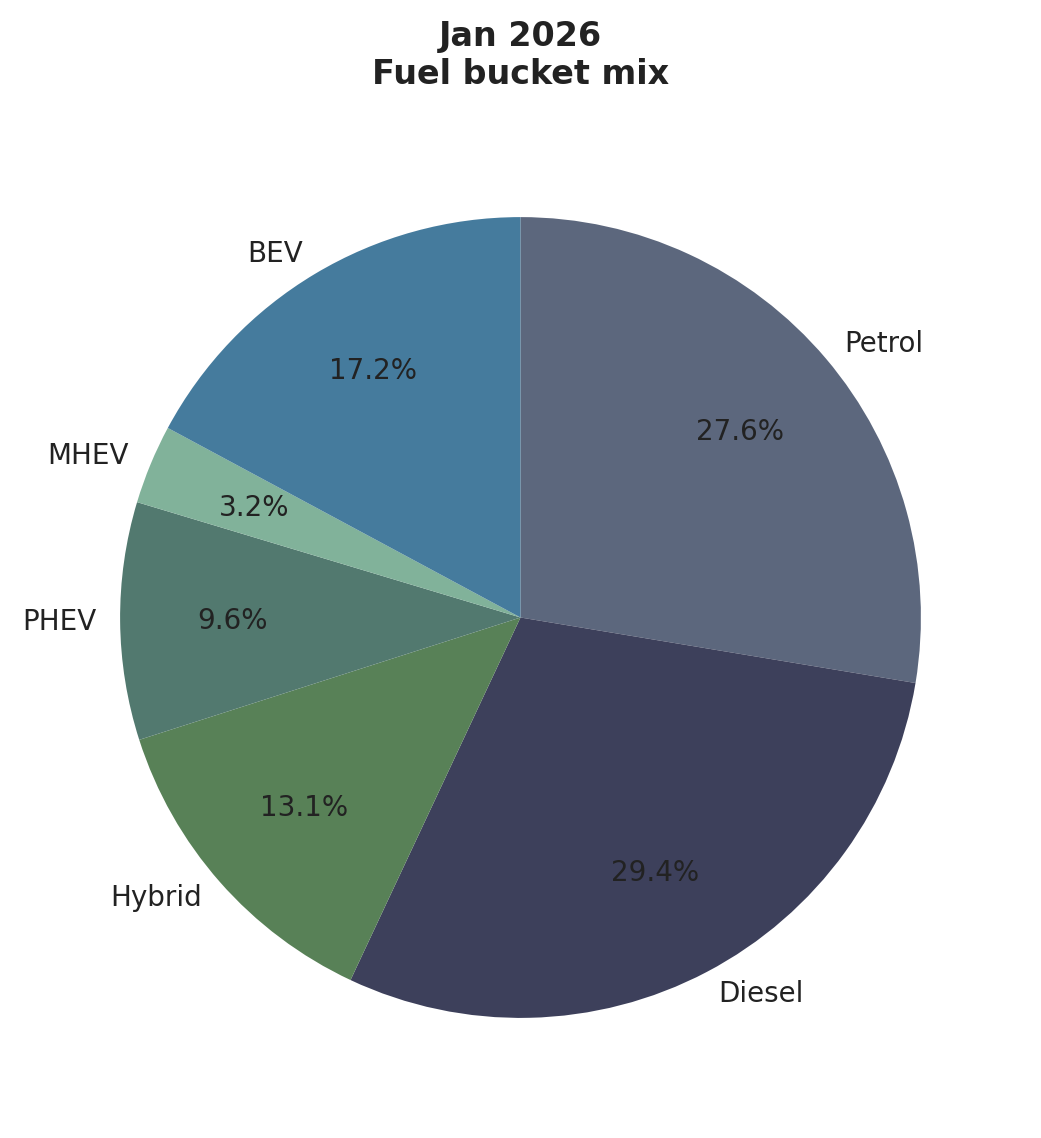
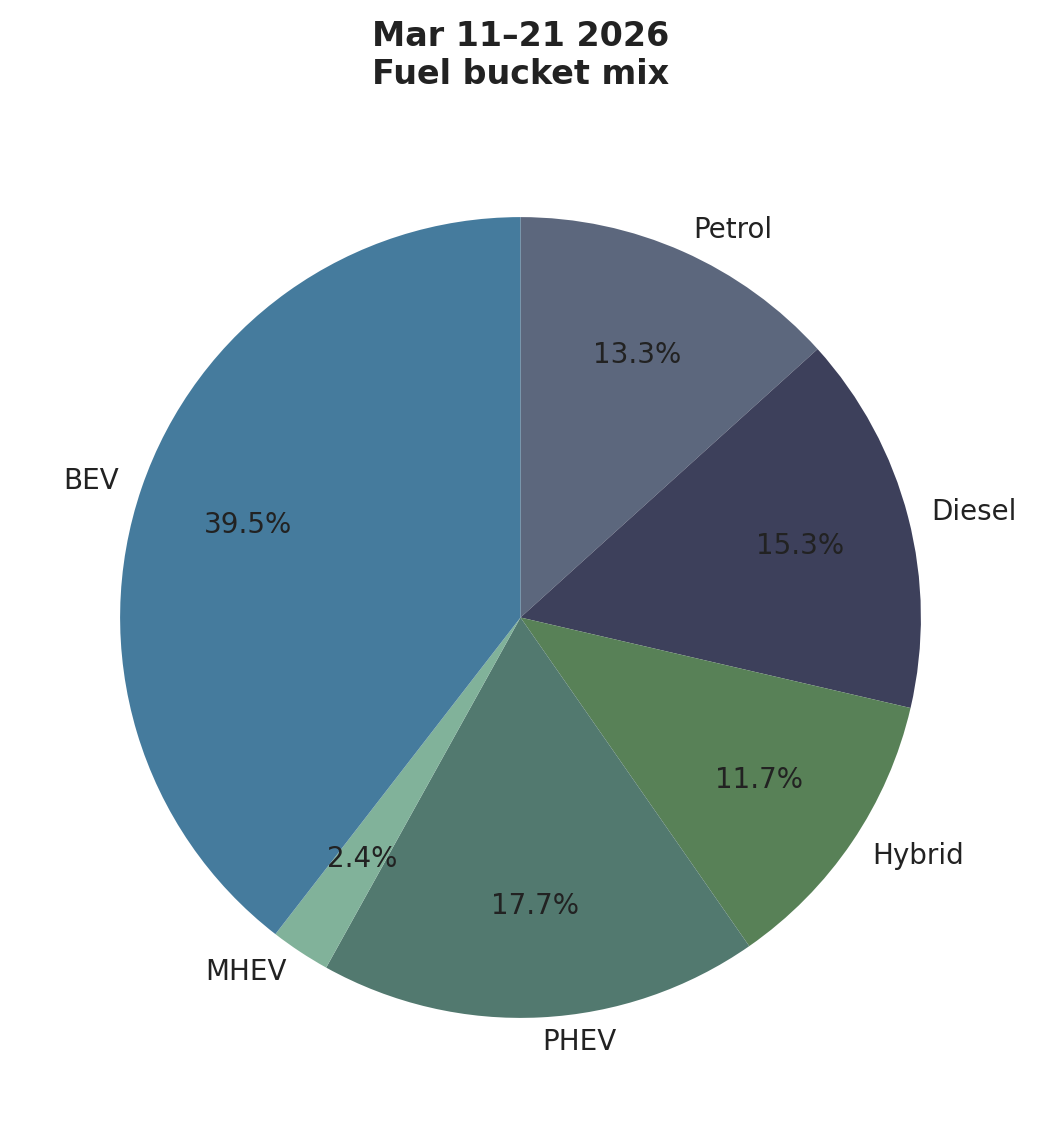
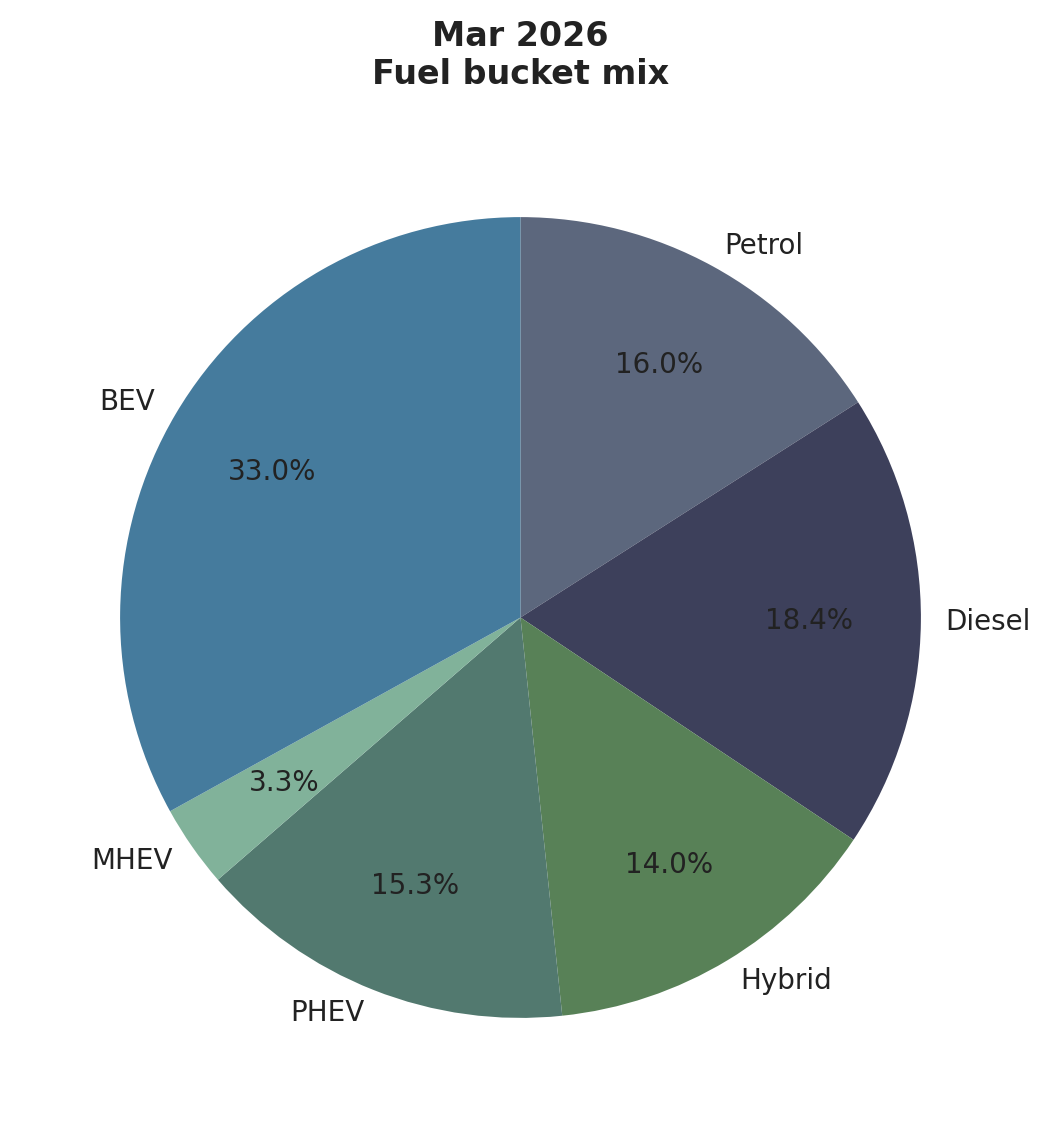
Based on more than 2,000 enquiries across Australia, diesel’s share of buyer interest declined from 29.36 per cent in January to 15.32 per cent in the March 11–21 window - a drop of over 14 percentage points. In January, diesel was the single largest enquiry category, but by mid-March it had nearly halved.
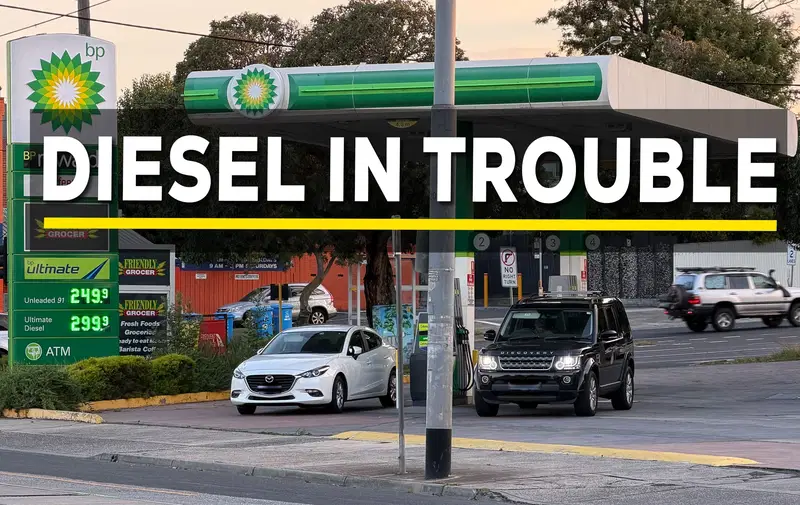
This shift has occurred alongside a sharp increase in fuel prices following disruptions to global oil supply and shipping since late February due to the Iran war.
Based on fuel pricing tracked by CarSauce in South East Melbourne, diesel prices have risen by more than 50 per cent over this period, with petrol also increasing materially, though to a lesser extent.
Petrol enquiry share has followed a similar trajectory, falling from 27.62 per cent in January to 13.31 per cent in the latest March window.
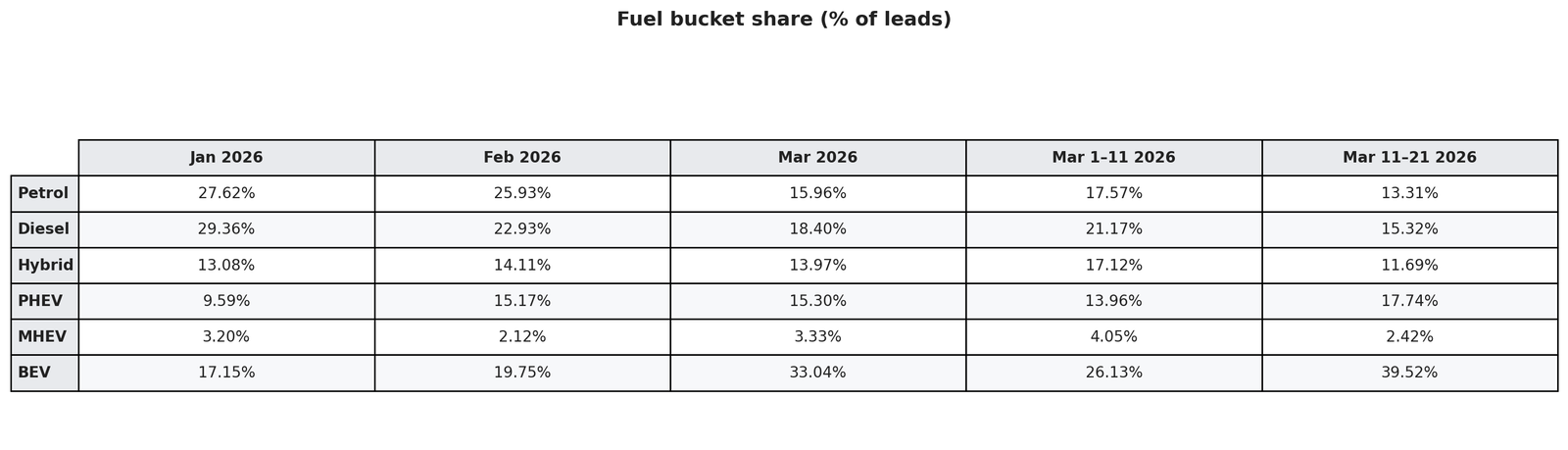
At the same time, electrified powertrains have gained significant share. Battery electric vehicles (BEVs) increased from 17.15 per cent in January to 39.52 per cent, representing the largest movement in the dataset.
Plug-in hybrid vehicles (PHEVs) also rose from 9.59 per cent to 17.74 per cent, while conventional hybrids (13.08 per cent to 11.69 per cent) and mild hybrids (3.20 per cent to 2.42 per cent) remained relatively stable overall.
When combined, electrified powertrains - hybrid, plug-in hybrid, mild hybrid and battery electric - grew from 43.02 per cent of enquiries in January to 71.37 per cent in the most recent period.
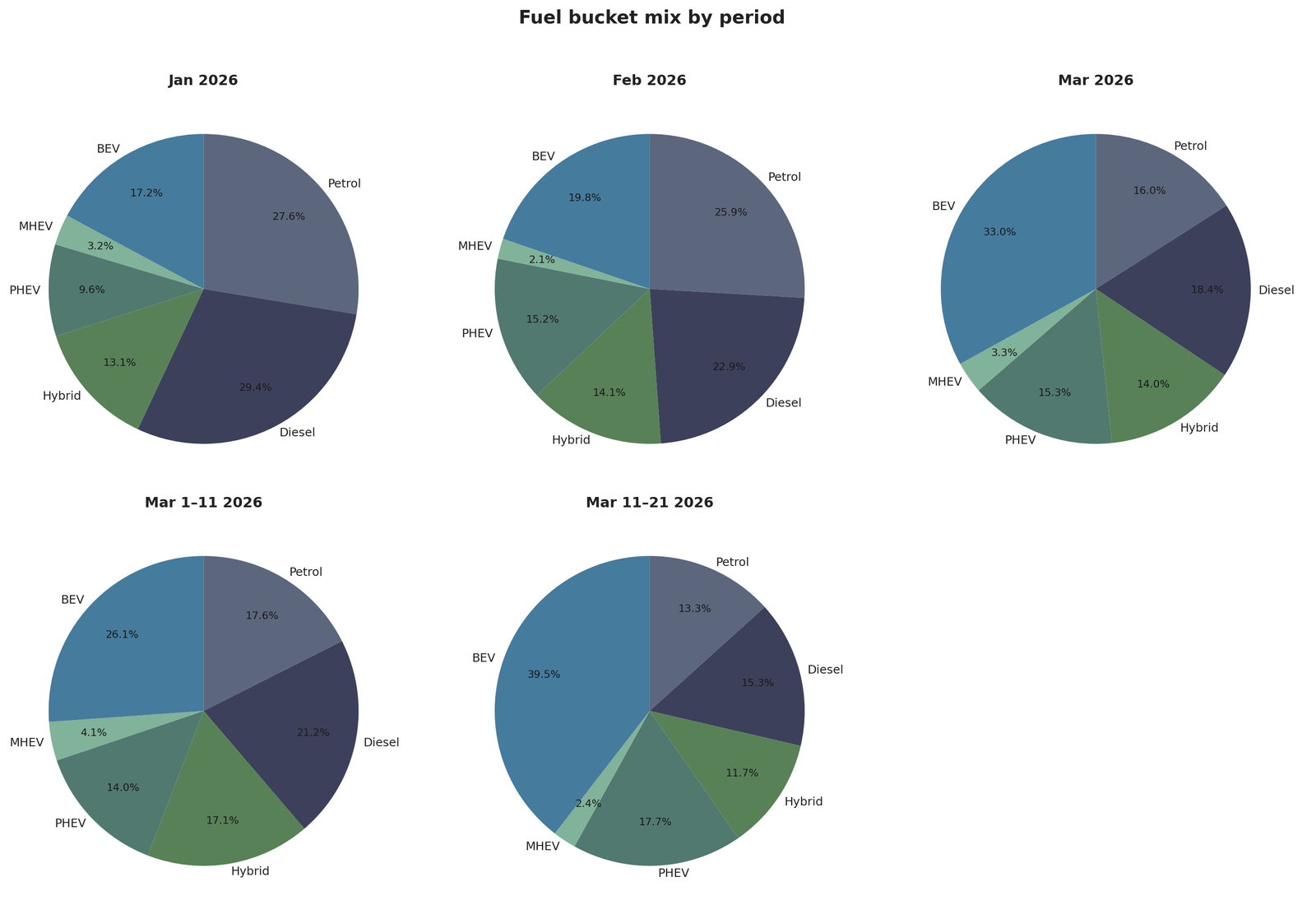
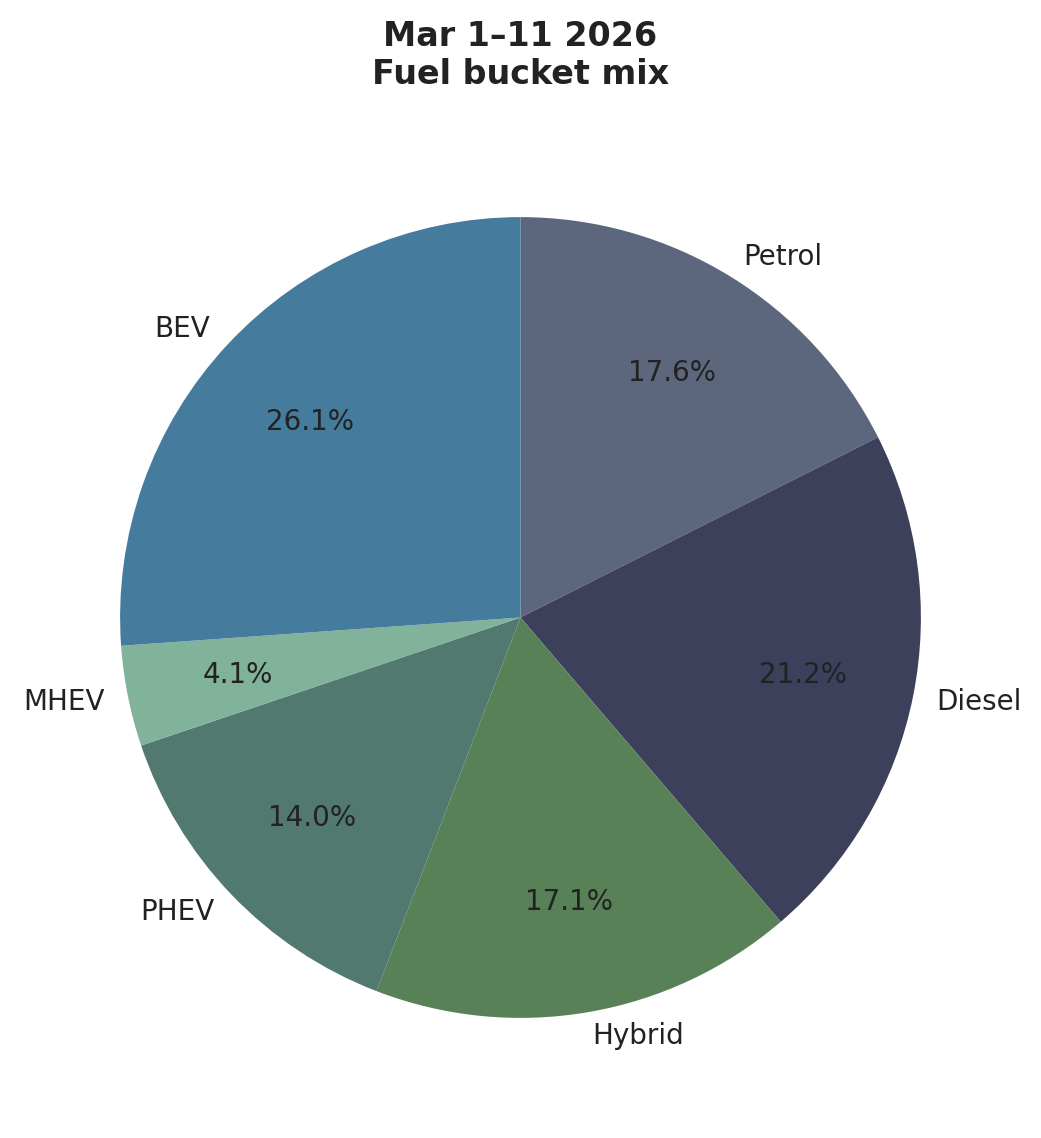
The trend appears to be accelerating within March itself. Diesel declined from 21.17 per cent in the March 1-11 window to 15.32 per cent in March 11-21, while BEV share increased from 26.13 per cent to 39.52 per cent over the same timeframe. This suggests continued movement in buyer preferences rather than a one-off shift.
Running cost comparisons provide context for these changes. Diesel has seen the largest increase in operating costs over the period, based on observed fuel price movements, while petrol costs have also risen significantly.
Electrified vehicles, particularly BEVs and PHEVs when charged at home, have seen comparatively smaller changes in running costs.
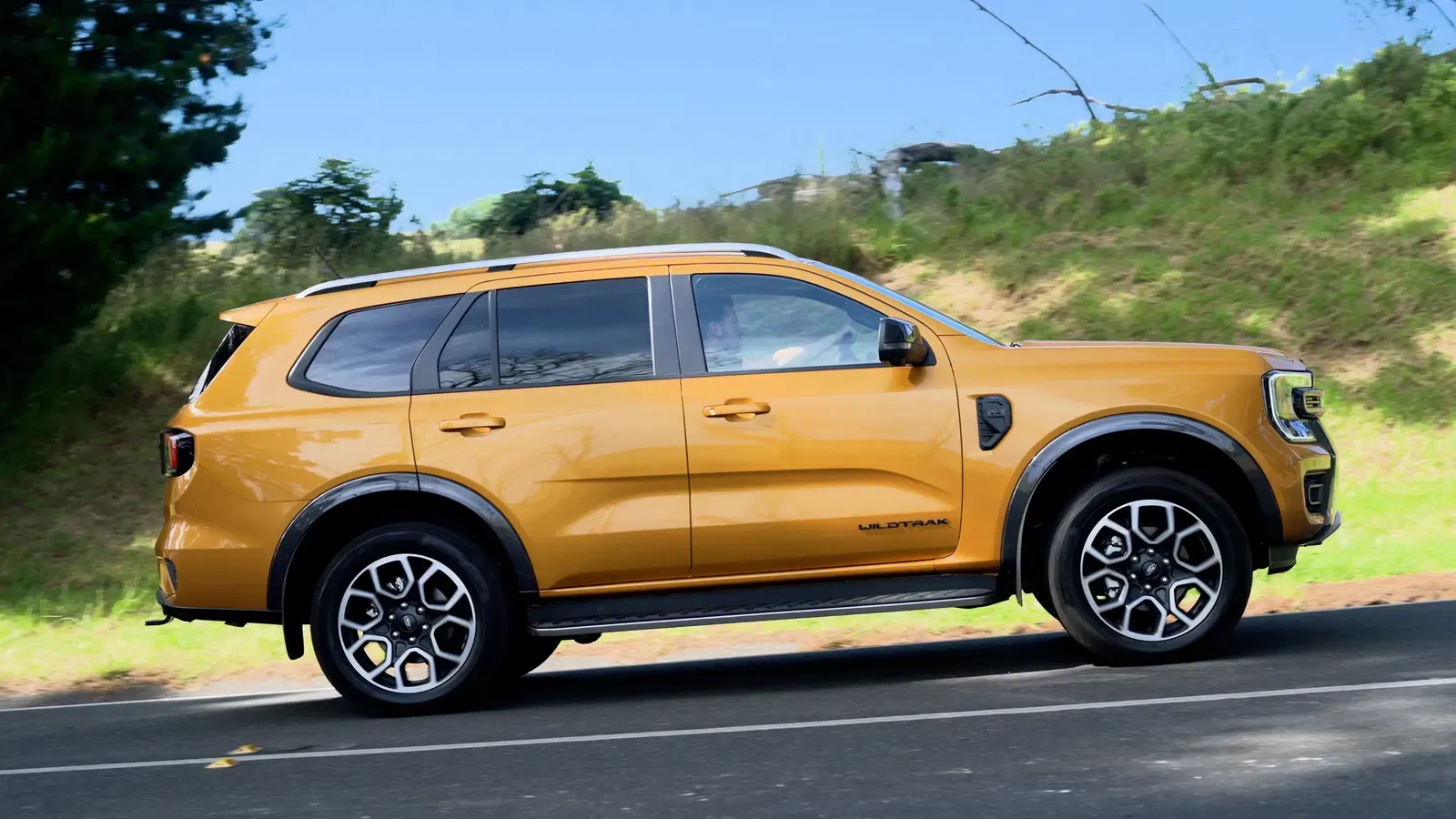
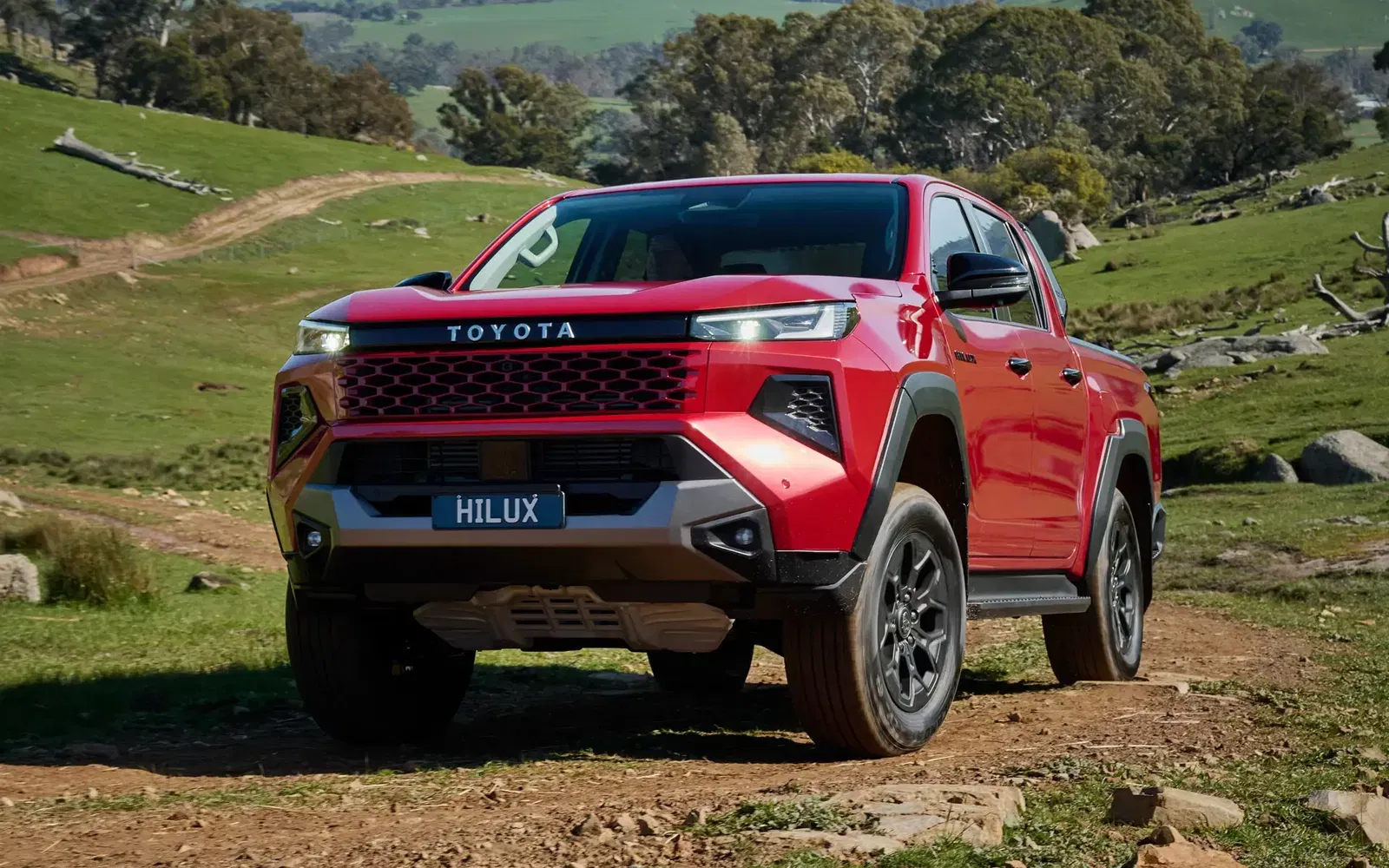
The change in enquiry mix is also reflected in vehicle preferences. Traditional high-volume diesel models such as the Toyota HiLux have fallen out of the most recent top 10 enquiry list, replaced by a mix of electrified and efficiency-focused models from brands including BYD, Geely, Jaecoo and Zeekr.
This does not suggest diesel has become obsolete. For buyers who tow frequently, travel long regional distances, or lack access to charging infrastructure, diesel remains a practical and relevant option.
However, for many urban and suburban buyers, the relative cost dynamics and increasing availability of electrified alternatives appear to be influencing consideration.
If current fuel pricing and market conditions persist, the data indicates continued pressure on both diesel and petrol enquiry share, alongside sustained growth in electrified powertrains.
The data does not suggest diesel is disappearing, but it does indicate a shift away from its position as a default choice toward a more specific-use-case powertrain.
Note: Data sourced from over 2,000 CarSauce Buy enquiries across Australia. Fuel price movements reflect percentage changes observed in the South East Melbourne market between late February and mid-March.
FAQ
Are diesel cars losing popularity in Australia?
Diesel enquiry share has declined significantly in recent CarSauce Buy data, suggesting reduced buyer interest. However, diesel remains relevant for towing and regional use cases.
Why are more Australians considering electric vehicles in 2026?
Rising fuel costs and increased availability of EV models appear to be influencing buyer consideration, alongside growing awareness of running cost differences.
How much has EV interest increased recently?
Battery electric vehicle enquiry share has grown substantially, rising from around 17 per cent in January to nearly 40 per cent in mid-March based on CarSauce data.
Are hybrid and plug-in hybrid vehicles also growing in demand?
Plug-in hybrid interest has increased notably, while conventional hybrid demand has remained relatively stable over the same period.
Are petrol cars becoming less popular?
Petrol enquiry share has declined alongside diesel, indicating a broader shift away from traditional internal combustion engines in buyer consideration.
Does this mean petrol and diesel cars are disappearing?
No. Petrol and diesel vehicles still suit many buyers, particularly where charging access, towing needs, or long-distance driving are key considerations.

Other
News
Other car news
Kia K4 Hatch Recalled Over Seat Belt Defect

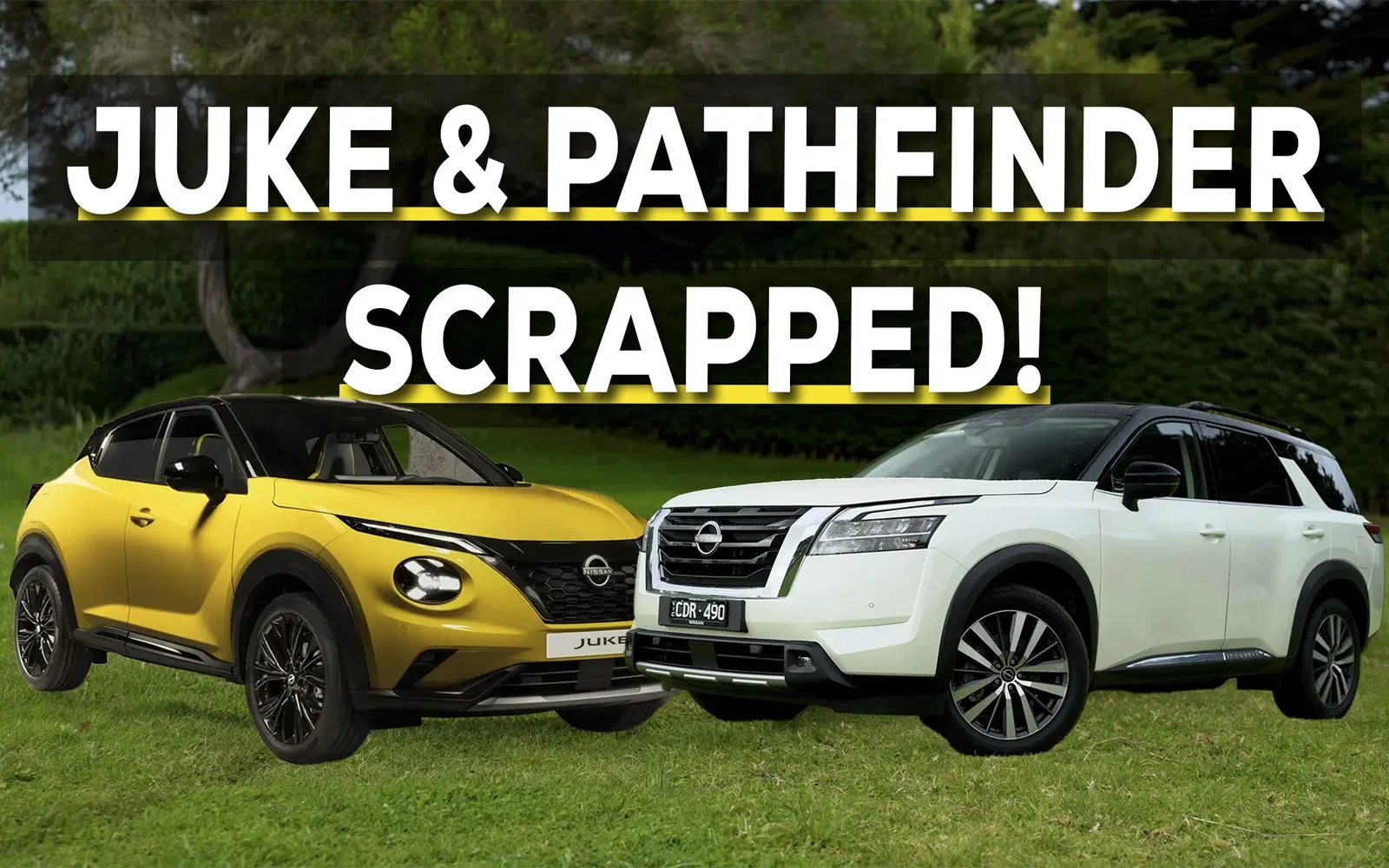
Juke and Pathfinder Axed as Nissan Culls Australian SUV Range
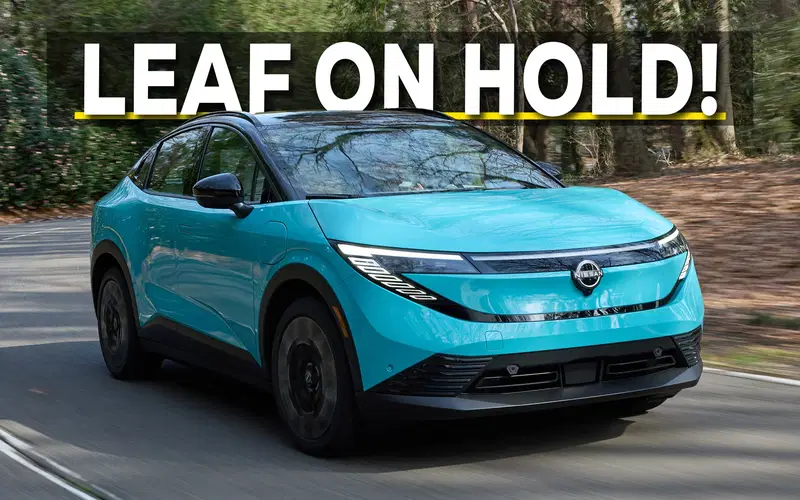
Nissan Boss: Third-Gen Leaf "Indefinitely" on Hold as Brand Pivots away from EVs
Sign up to our newsletter
Be the first to know when we drop new car reviews.