.avif)
Tell Google to prioritise real experts.

For decades the turbodiesel was the only real powertrain option for dual-cab ute, but in recent years tightening emissions standards have forced new solutions.
Many manufacturers are turning to plug-in hybrid powertrains (PHEV) to offer the range and power required by these vehicles while still meeting increasingly strict fuel economy targets.
However, while there seems to be broad agreement on PHEV being the answer, each manufacturer is employing very different solutions. It’s like everyone has agreed the answer is 100, but have got there by 10x10, 25x5, 20x5 and 100x1 – same end result, very different working.
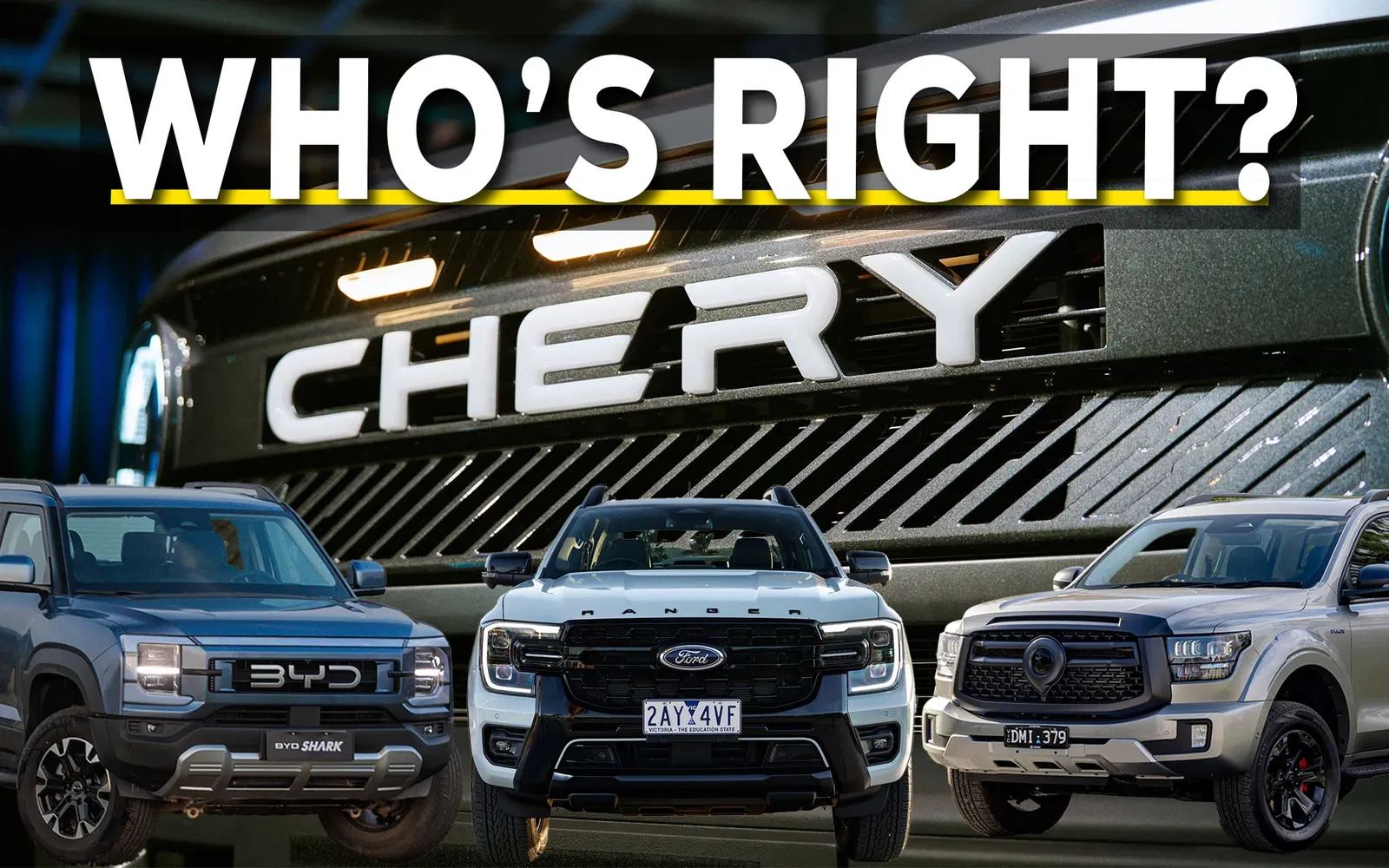
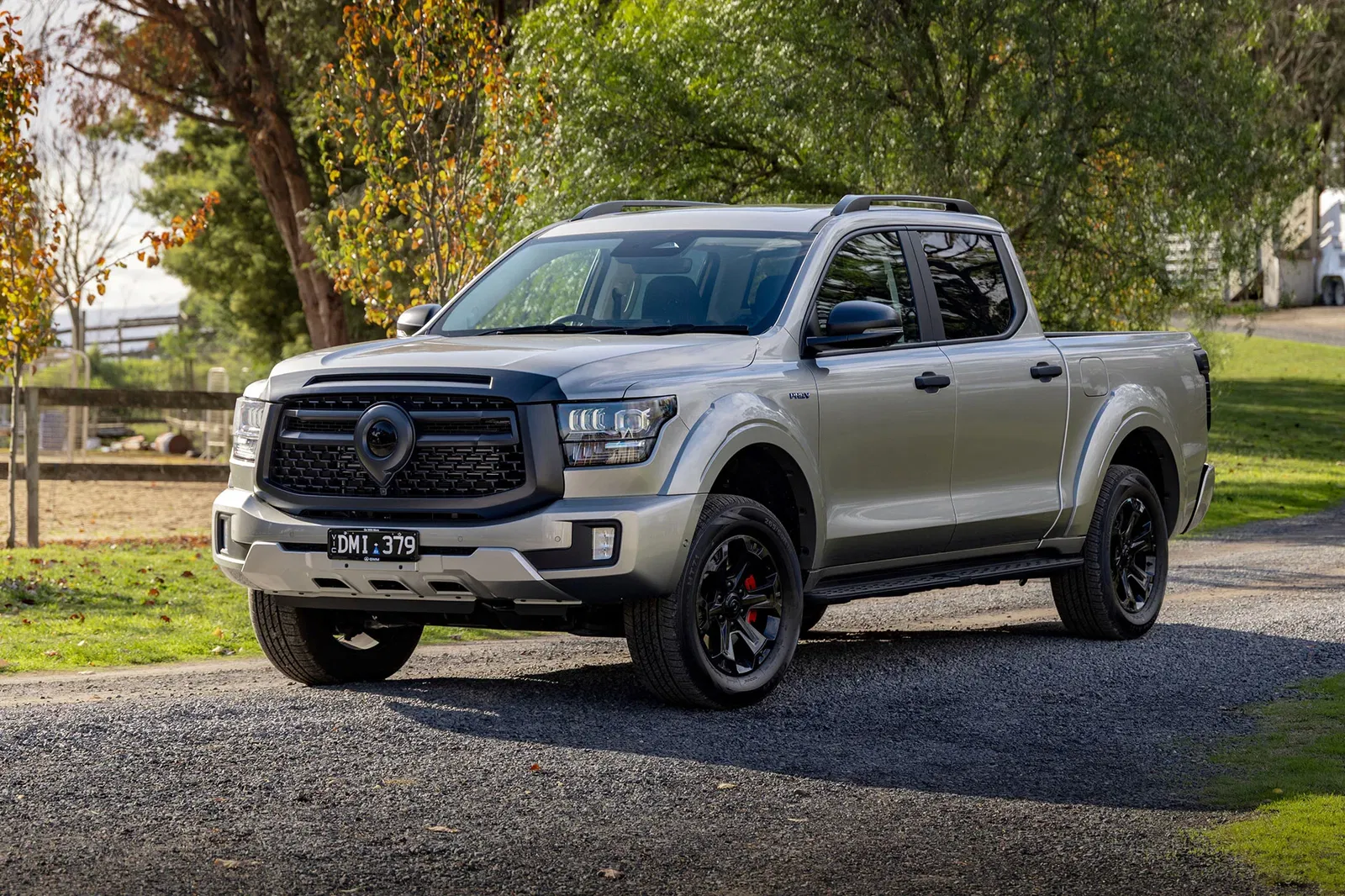
One thing all PHEV utes so far have had in common is combining a petrol internal combustion engine with electrical assistance, but the recently revealed Chery KP31 Ute concept has further muddied the waters by introducing a diesel plug-in hybrid powertrain.
To try and make sense of it all, let’s take a closer look at the available options and try to determine where the Chery – the exact technical specs of which are still secret – will fit in.
The poster child for the PHEV ute is the BYD Shark 6, which rocketed into fourth place in the dual-cab sales charts in 2025 with 18,073 sales.
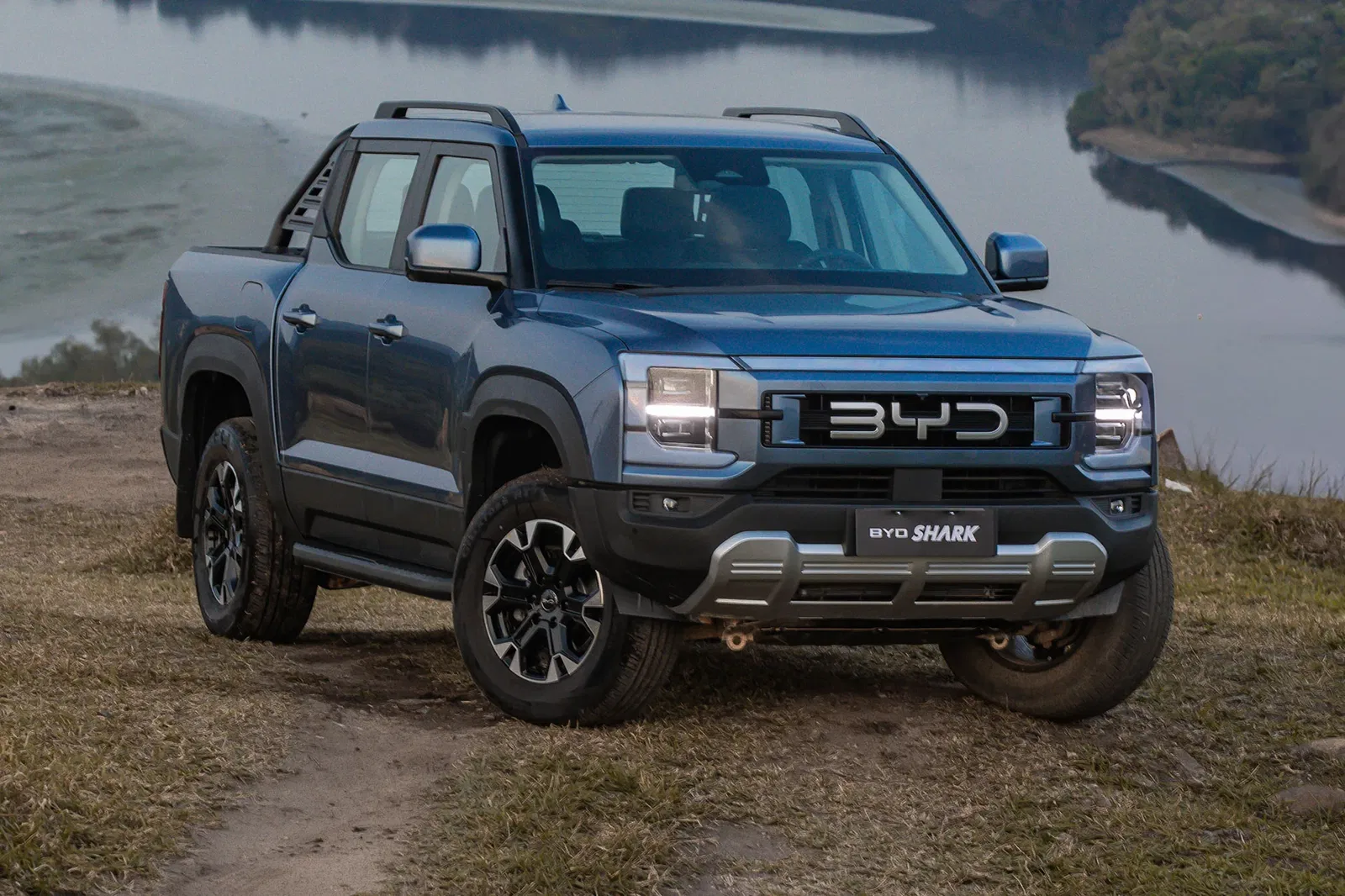
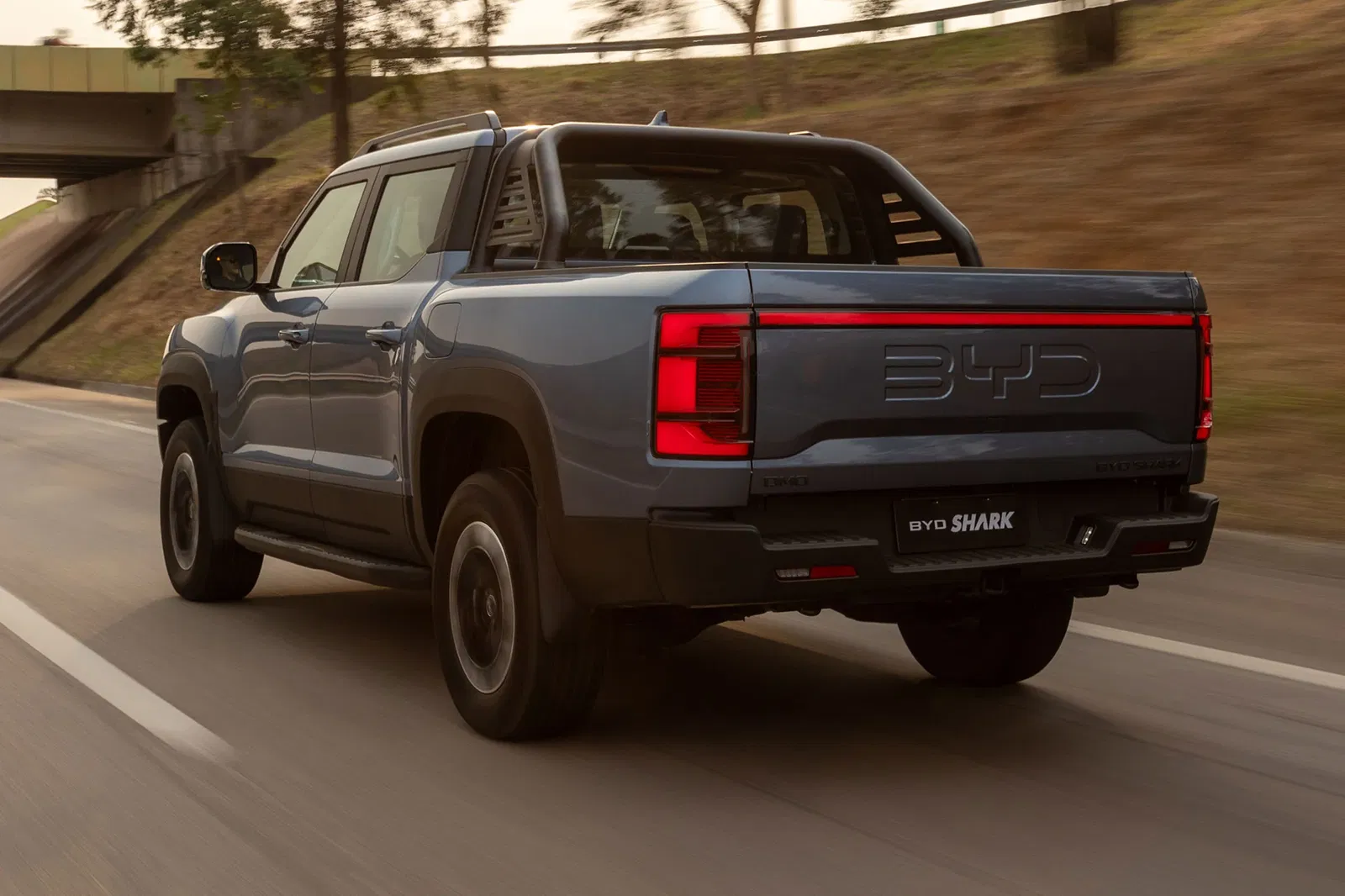
It’s also the most powerful at 321kW/650Nm, but in all bar the most extreme circumstances it uses its 135kW/260Nm 1.5-litre turbocharged petrol engine to charge the battery, leaving the dual electric motors to drive the wheels.
This provides impressive performance – 0-100km/h in 5.7sec – and a 29.58kWh battery provides around 100km of pure-electric range before the engine needs to fire up and recharge the battery.
The Shark’s biggest shortcoming is towing, with a maximum braked rating of 2500kg, while its maximum payload is 790kg.
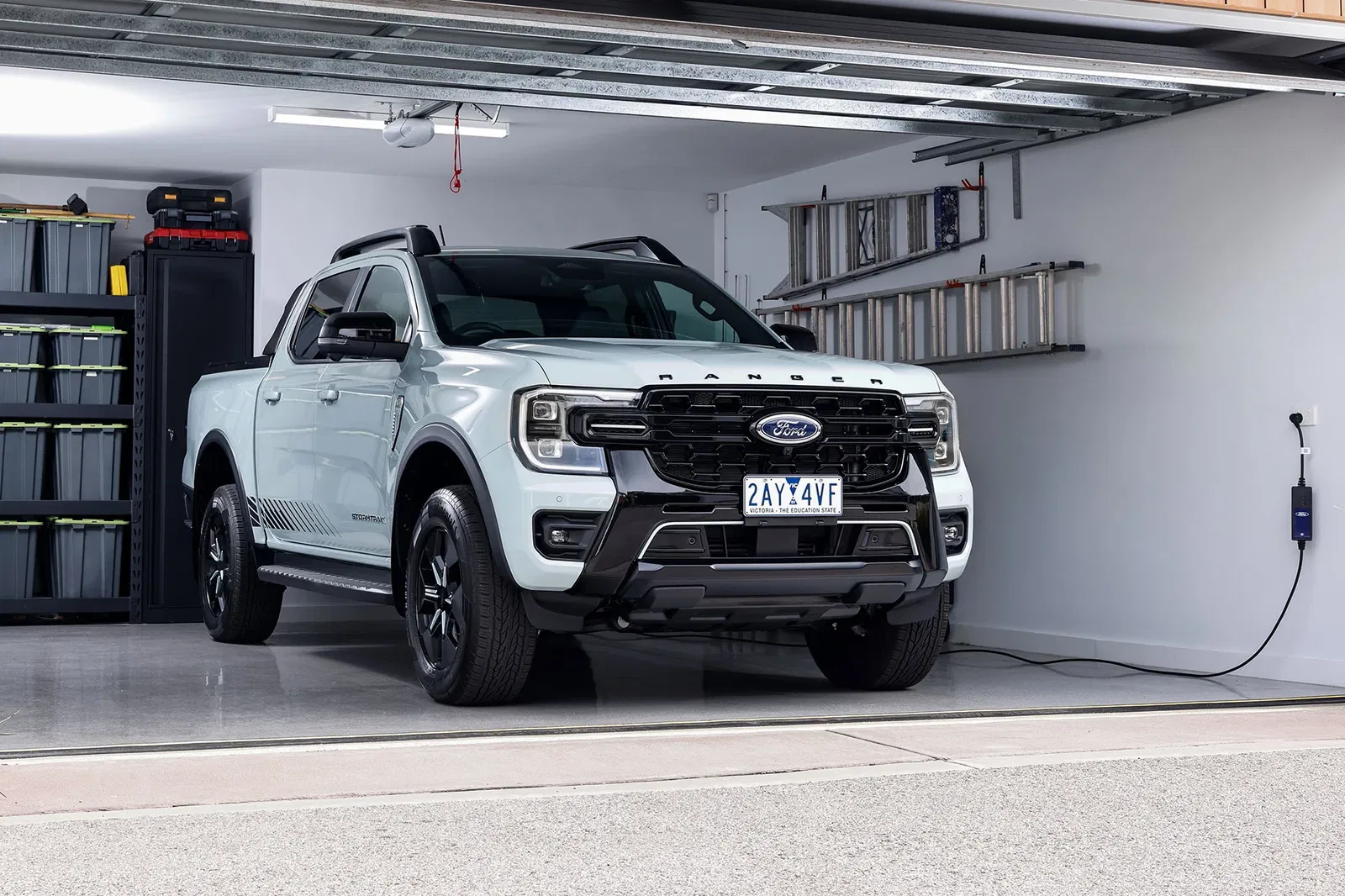
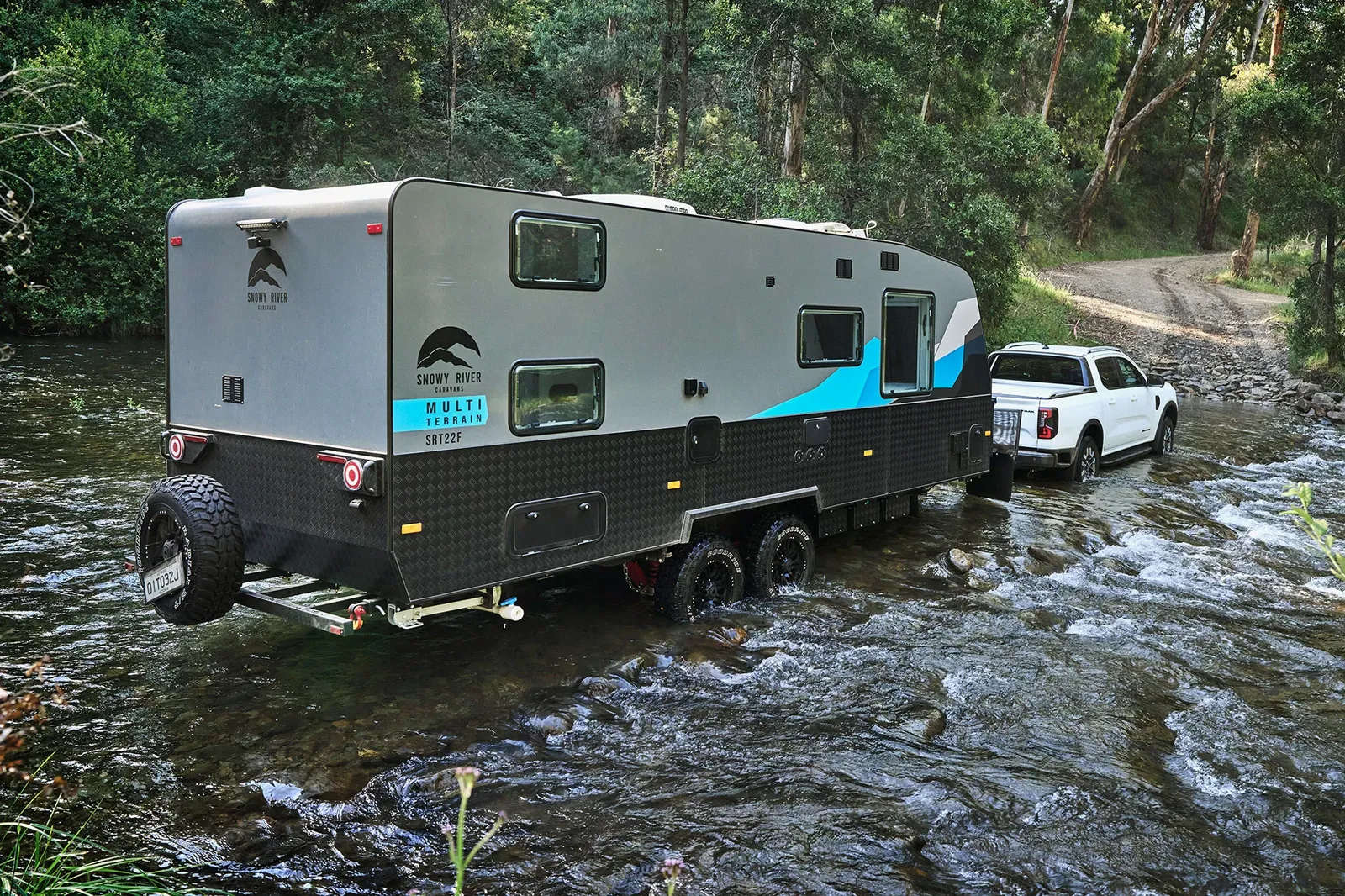
On the other side of the ledger is the Ford Ranger PHEV, the least electrified of the current offerings. It teams a 138kW/411Nm 2.3-litre turbocharged four-cylinder petrol engine with a 75kW e-motor for combined outputs of 207kW/697Nm.
An 11.8kWh battery limits pure-electric range to just 49km, a move Ford claims was intentional in order to keep weight under control and the Ranger offers between 808-973kg of payload depending on variant.
Maximum braked towing capacity also remains 3500kg and the 6580kg Gross Combined Mass (GCM) allows for between 388-553kg of payload at maximum towing.
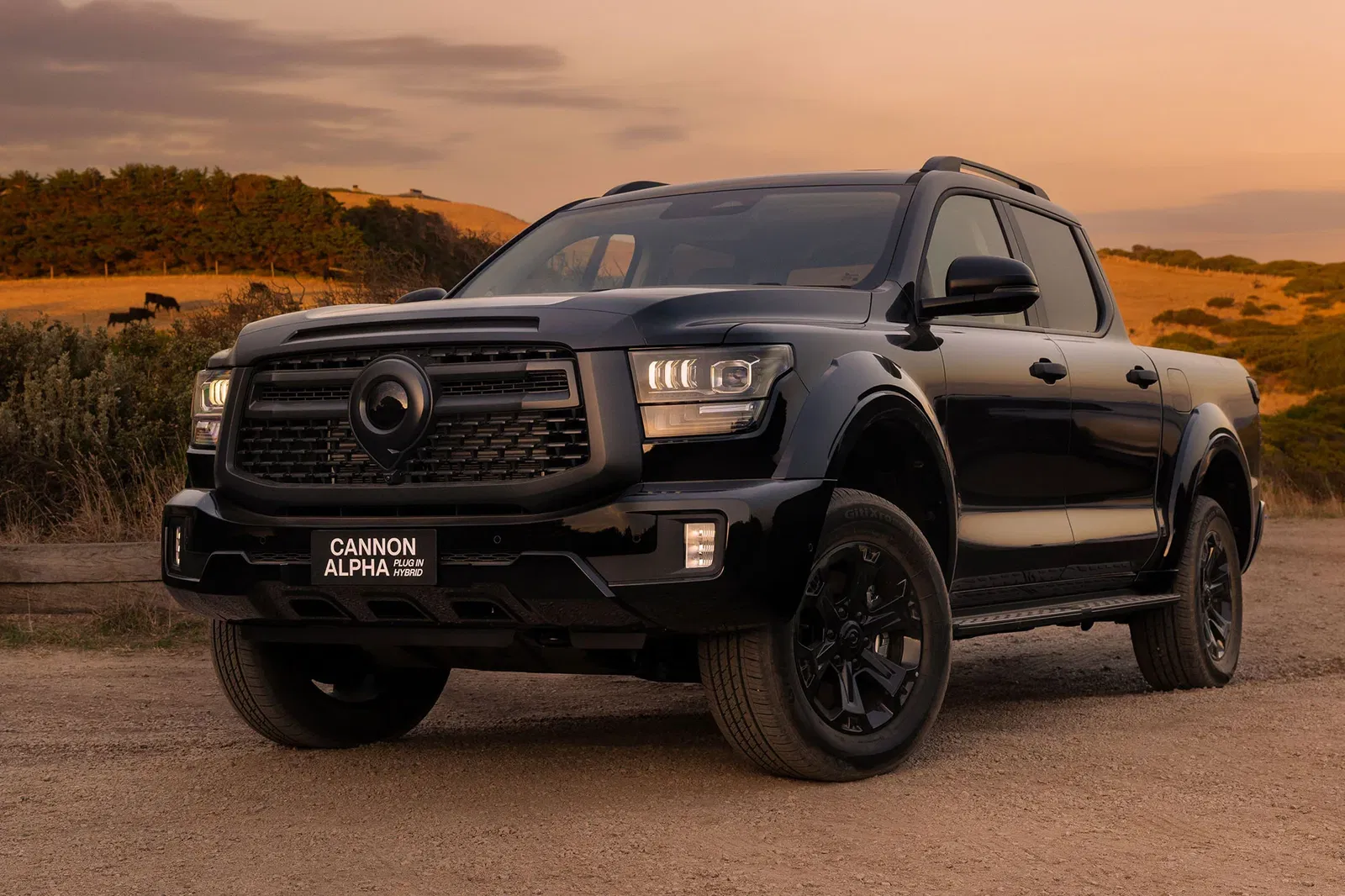
Sitting in the middle is the GWM Cannon Alpha PHEV, which uses the most powerful petrol engine – a 180kW/380Nm turbocharged 2.0-litre – along with a 120kW/400Nm e-motor for a combined 300kW/750Nm.
The biggest battery (37.11kWh) also gives it the longest pure-electric range at 115km, though it also makes the Cannon Alpha the heaviest at 2810kg. With a Gross Vehicle Mass of 3495kg, this limits payload to 685kg.
Like the Ranger, the maximum braked towing capacity is 3500kg and a 6745kg GCM still allows for 435kg of payload at maximum haulage.
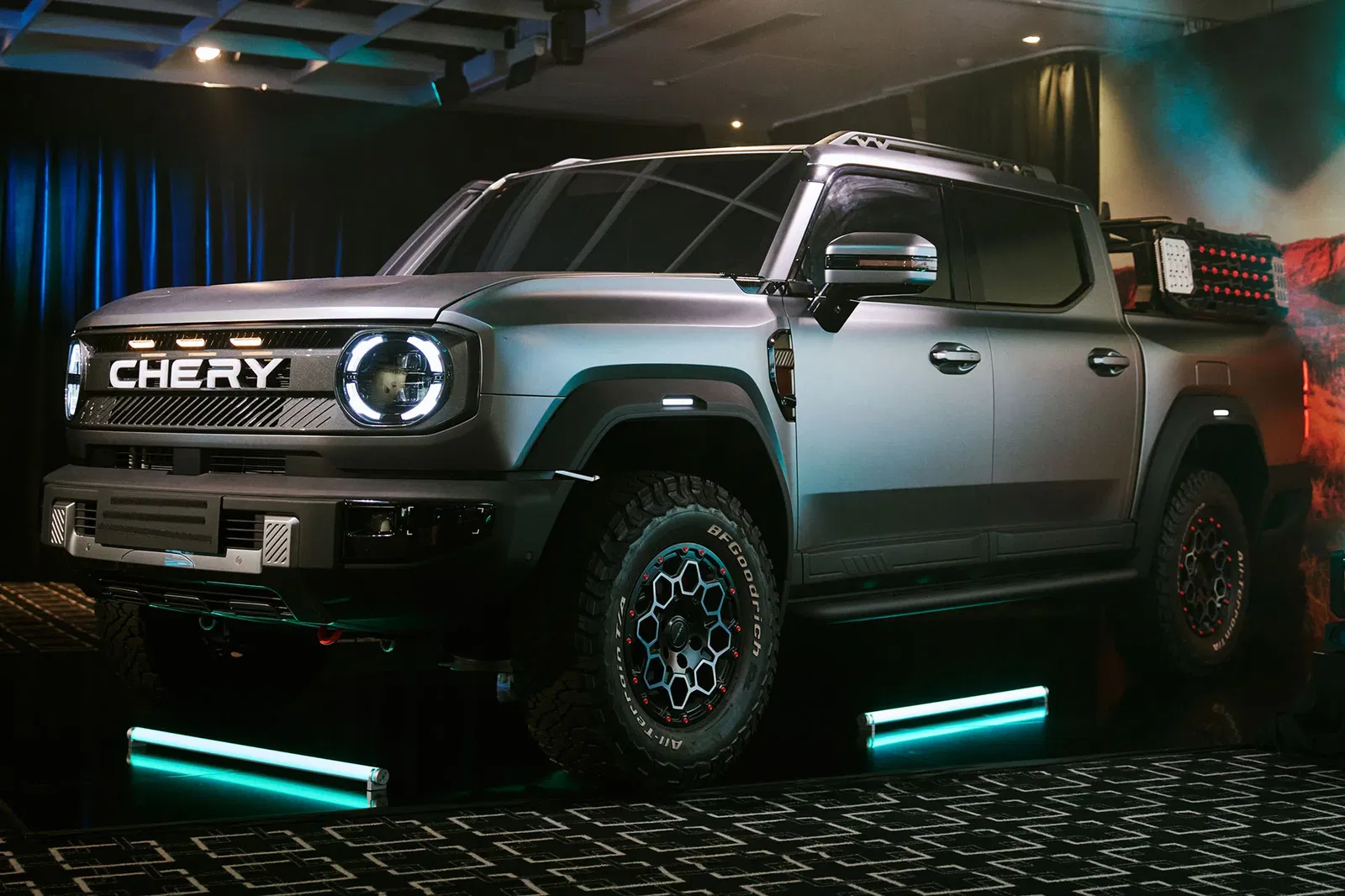
It’s here that we expect the forthcoming Chery to sit, with the internal combustion engine driving the wheels like the Ford and GWM with significant electrical assistance.
The only confirmed technical detail is that the internal combustion engine will be a 2.5-litre turbodiesel, though reports out of China suggest this will produce 210kW/650Nm. A petrol PHEV will join the range in 2027.
In terms of the battery system, it will presumably use Chery’s new Super Hybrid system or a derivation of it. The fifth-generation system used a 150kW/300Nm electric motor fed by an 18.4kWh battery, but the sixth-generation has a more powerful motor and a more energy-dense battery pack of roughly the same size.
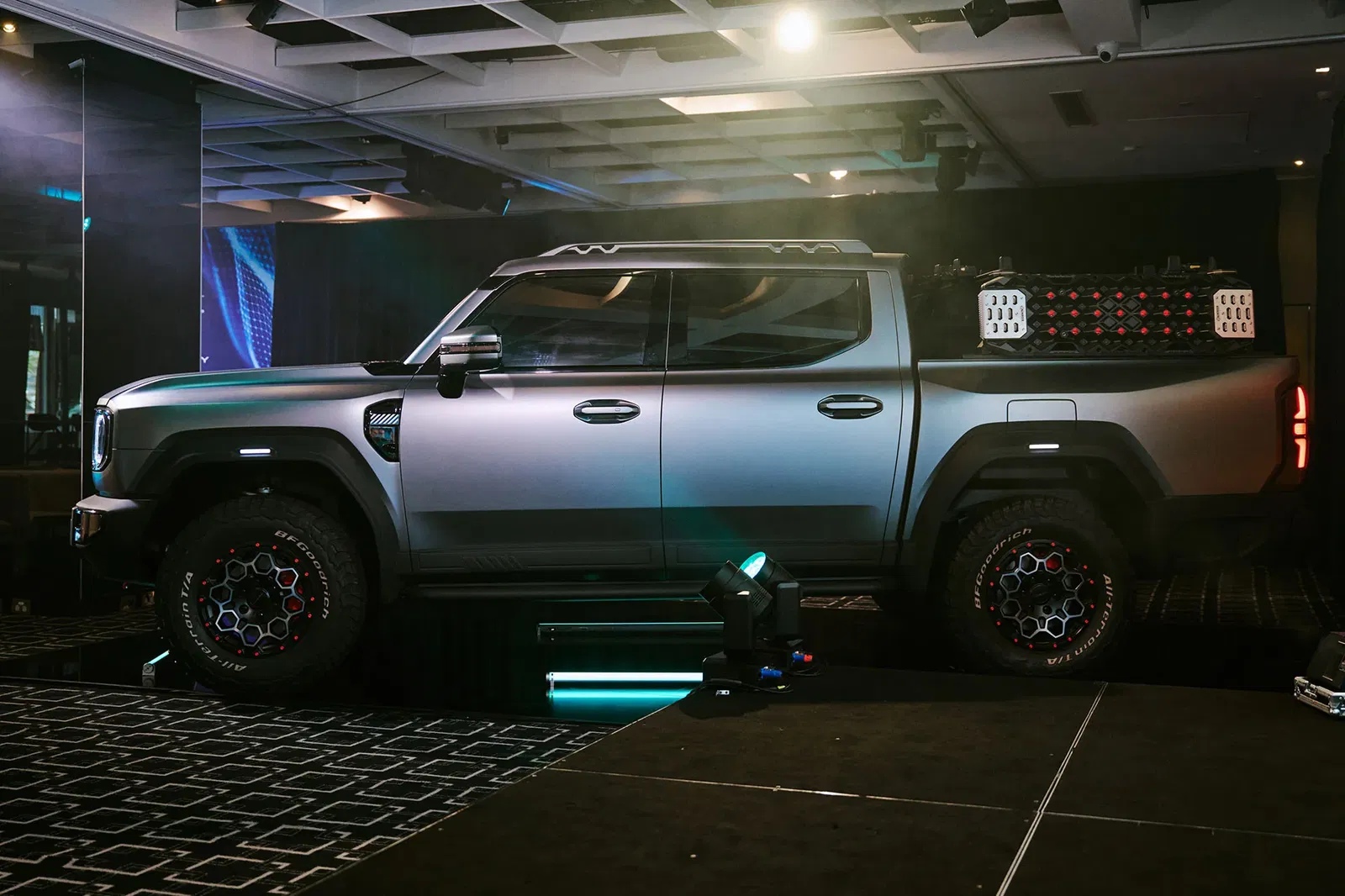
A smaller battery than the BYD and GWM would match Chery’s claims of offering 1000kg of payload, as GVM is already going to be a challenge with a larger, heavier diesel engine. However, can that smaller battery pack deliver 100km of pure-electric range?
Chery also claims that thanks to its turbodiesel’s thermal efficiency of 47 per cent, even with a depleted battery its fuel economy will be 10 per cent better than a typical dual-cab. Maximum braked towing capacity is also 3500kg.
The proof will be in the driving, but if you combine Chery’s payload and fuel economy claims with locked diffs front and rear and a $60,000-odd price tag and the KP31 – or whatever the production version ends up being called – has the potential to seriously shake up the dual-cab ute segment.
FAQ
What is a plug-in hybrid?
A plug-in hybrid, or PHEV, combines an internal combustion engine with a larger battery pack than a traditional hybrid
Is a plug-in hybrid an electric car?
No, a plug-in hybrid still has an engine, but will typically offer between 50-100km of pure-electric range
What plug-in hybrid utes are available?
Currently, there is the BYD Shark 6, Ford Ranger PHEV, GWM Cannon Alpha and Chery will also release one by the end of 2026
Do I need to charge a plug-in hybrid?
No, it's not necessary to keep the vehicle functioning, but it is vastly more efficient to regularly charge it
Other
News
Other car news
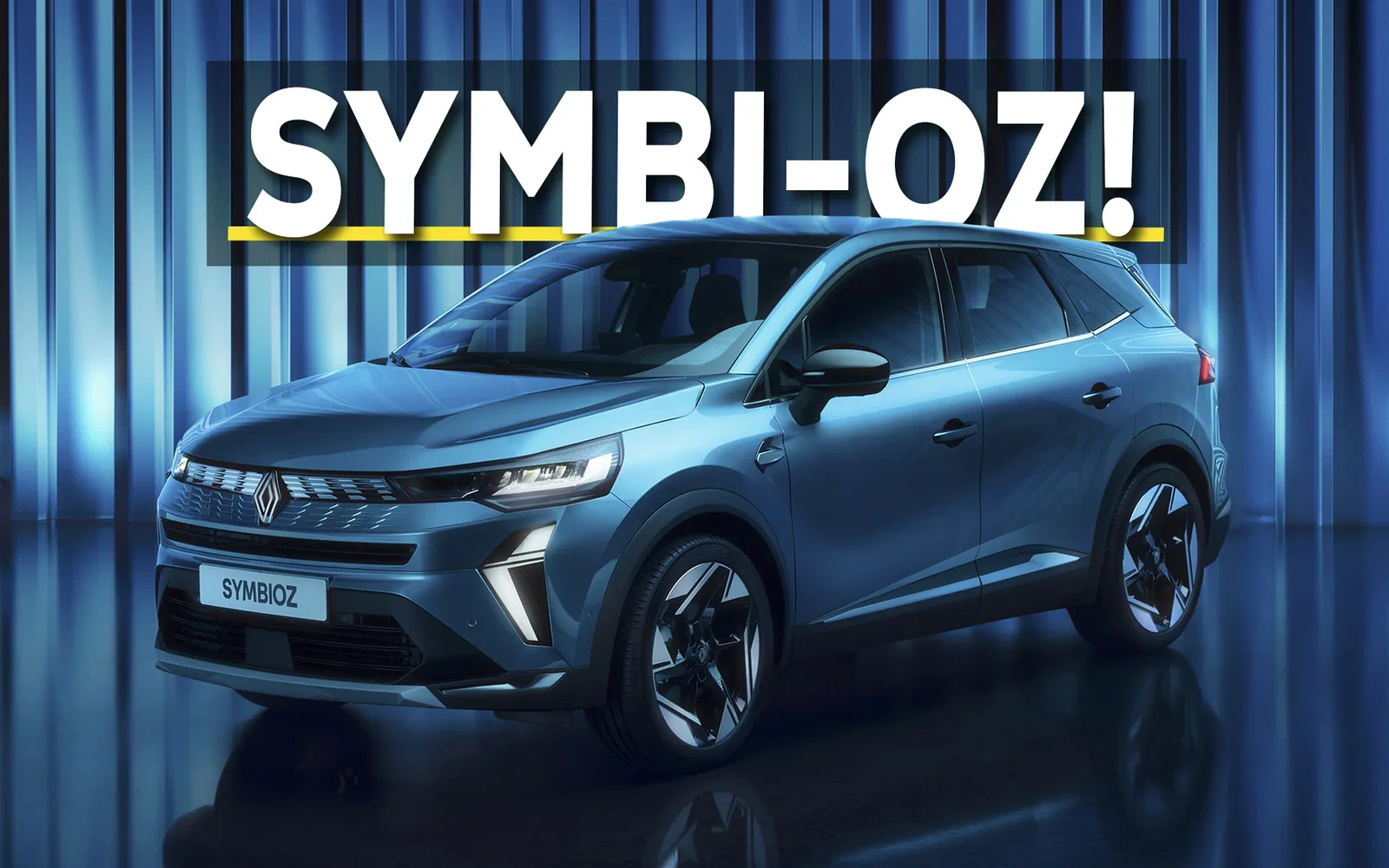
2026 Renault Symbioz Hybrid SUV Confirmed for Australian Launch

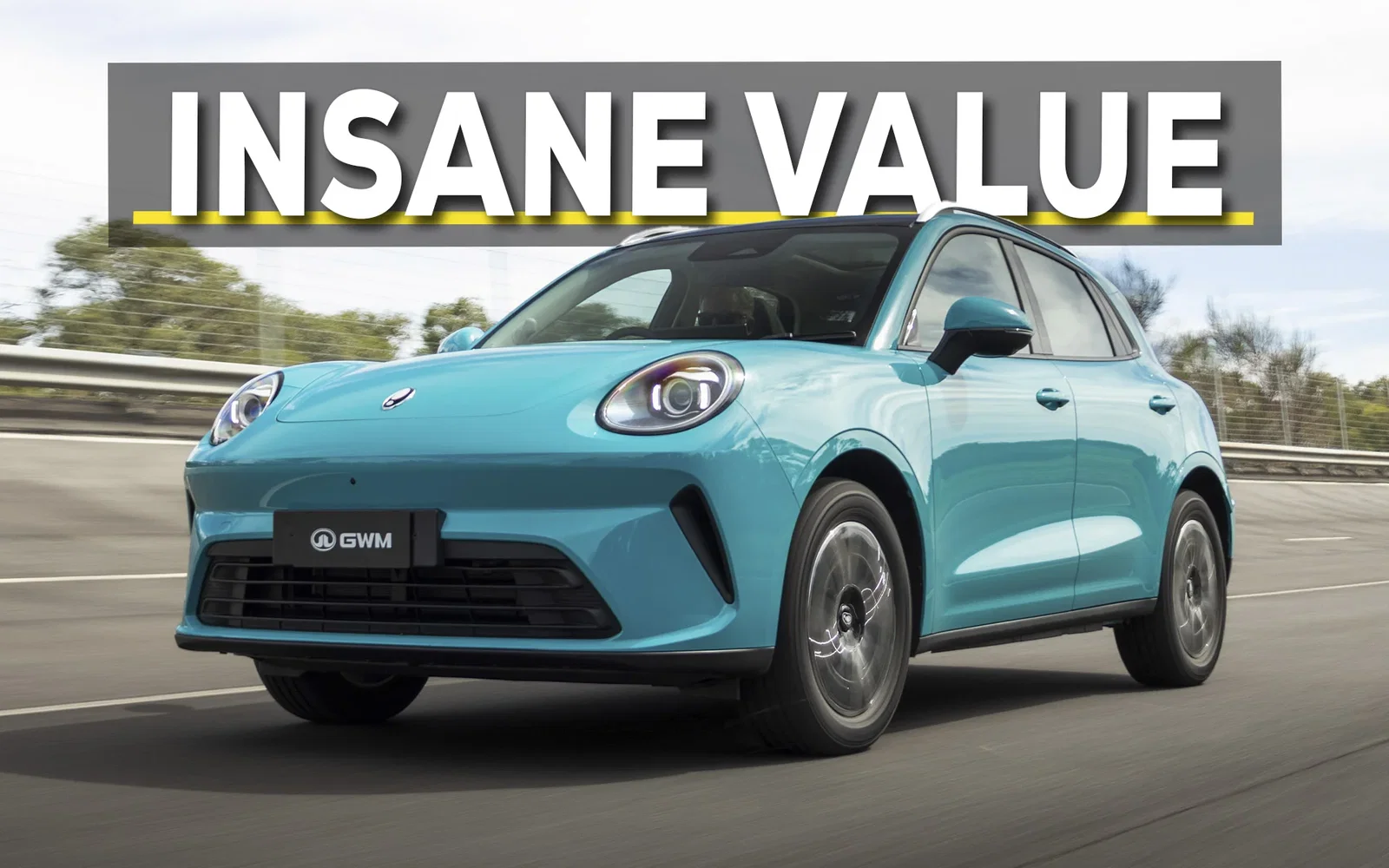
2026 GWM ORA 5 SUV: Australian Pricing and Specifications Confirmed
2026 Honda Prelude Australia: $65,000 Driveaway Price and Specs Confirmed
Sign up to our newsletter
Be the first to know when we drop new car reviews.